
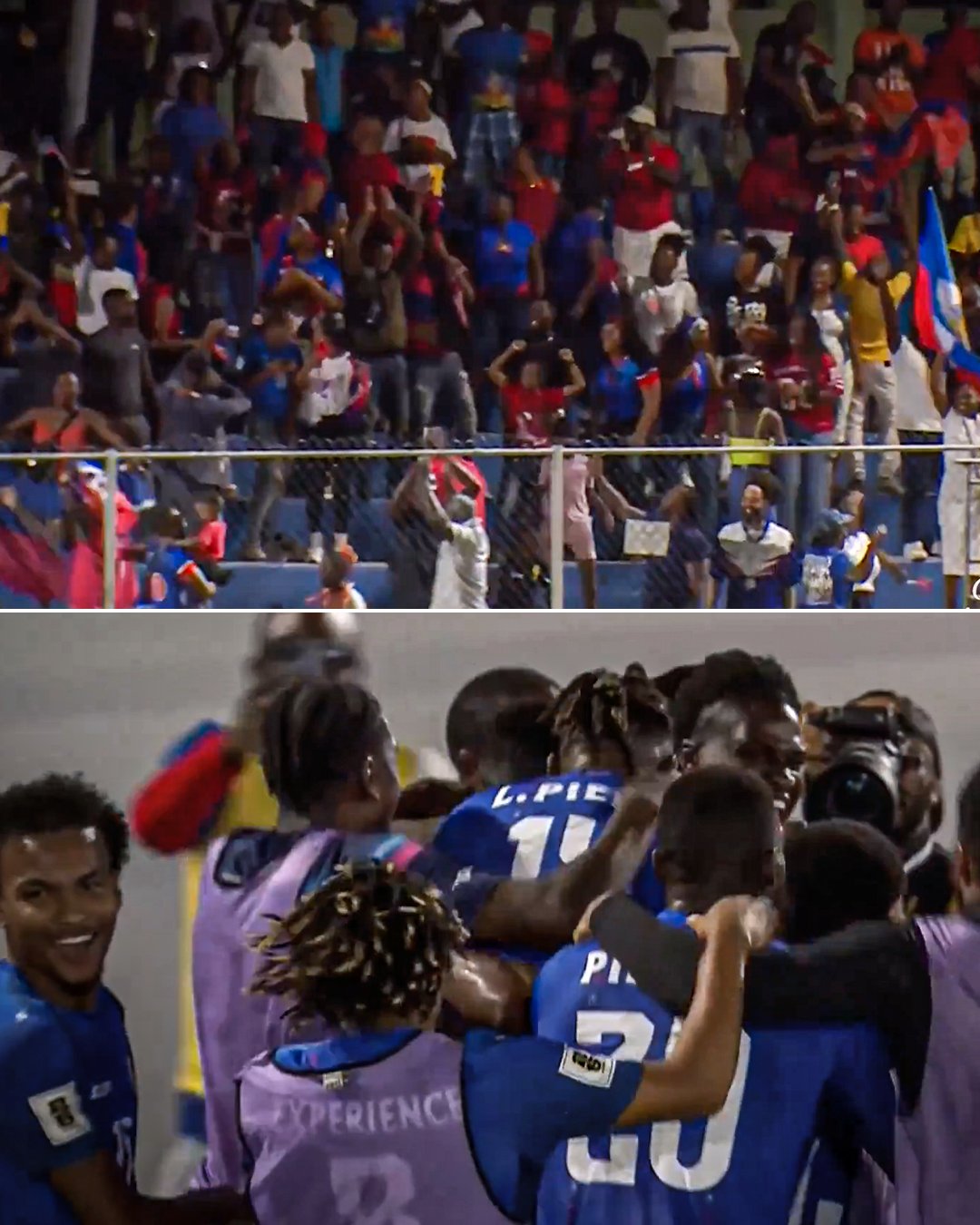
Haiti return to football’s grandest stage after 52 years
For a nation long battered by crisis, Haiti’s return to the World Cup feels nothing short of miraculous. Fifty-two years after their first and only appearance on football’s biggest stage, Les Grenadiers have qualified once more but this time under circumstances so improbable they border on the surreal.
Their 2-0 victory over Nicaragua was more than just a football match; it was a triumph carved from distance, danger, and unwavering belief. At the heart of it is Sebastien Migné, Haiti’s 52-year-old French coach who has never stepped foot in the country he manages.
Appointed 18 months ago, Migné has been unable to visit Haiti due to the violent conflict that has engulfed the island. Armed gangs dominate most of Port-au-Prince, over a million people have been displaced, and famine-level hunger has gripped the nation. International travel to Haiti has all but ceased.
It’s impossible because it’s too dangerous,” he admitted. He has lived and worked inside every country he’s coached—except this one.
Instead, Haiti’s renaissance has been orchestrated from afar. Migné relied on federation officials over the phone, gathering intelligence on local talent and stitching together a squad with remote guidance. Training camps, preparations, and even home matches—played 500 miles away in Curaçao—have unfolded without the coach ever walking Haitian soil.
Yet somehow, the distance has only strengthened the team’s resolve.
The squad, now entirely foreign-based, includes Wolves midfielder Jean-Ricner Bellegarde, born in France but proudly Haitian on the pitch. They hope to add Sunderland forward Wilson Isidor to their ranks as well—another French-born talent with Haitian roots. In many ways, the diaspora has become the lifeline of Haitian football, carrying the flag at a time when the island itself is trapped in turmoil.
Against Nicaragua, Haiti played with the ferocity of a nation refusing to be defined by hardship. With determination written into every run and tackle, they sealed their ticket to the summer’s World Cup in the US, Mexico and Canada—their first appearance since 1974, when they faced giants Italy, Poland and Argentina before bowing out in the first round.
This time, the journey already feels historic. They will join Panama, fresh off a 3-0 win over El Salvador, and World Cup debutants Curaçao as Concacaf’s confirmed qualifiers. But Haiti’s achievement stands apart: a team scattered across continents, guided by a coach they have only ever known from a distance, rising from a nation many fear to enter.
Football, once again, has given Haiti something rare: a moment of collective joy. A reminder of pride. A spark of hope.
After 52 years, Haiti are back on football’s grandest stage—and this time, their story is bigger than the game itself.