
A Football Culture Built on Illusion, Hype & Sponsorship! (Ataasa!)
Story By: Nana Agyemang
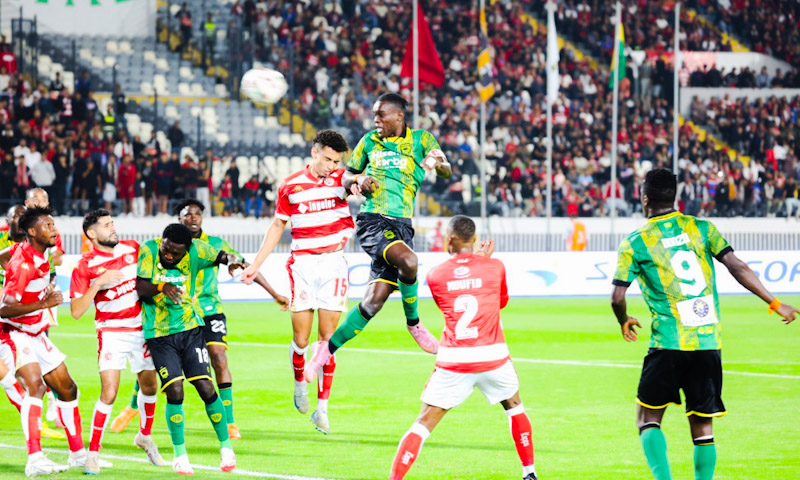
When Asante Kotoko were torn apart 5–1 by Wydad Athletic Club in Morocco few months ago, it wasn’t just a footballing humiliation, it was a national indictment. What happened that night was not merely a loss; it was the mirror image of Ghanaian football’s slow and painful decay.
Decades of poor planning, shallow management, and chronic financial incompetence have hollowed out what was once the pride of West Africa. Yet, instead of introspection, the usual chorus of noise followed from the same media voices and social media influencers who continue to romanticize mediocrity.
5-1 but it could have been much more….
As if the humiliation on the scoreboard wasn’t enough, the scenes on the touchline prior to kick off were even more embarrassing. A member of the technical bench was reportedly ushered off the pitch after being caught attempting to sprinkle concoctions on the field a supposed act of “juju” meant to help the team win!
To any sensible Ghanaian stakeholder, that spectacle was not just absurd; it was shameful and it laid bare how deeply superstition has infected the mindset of those entrusted with leading our clubs. Instead of inspiring young players with professionalism, discipline, and tactical intelligence, these individuals resort to outdated rituals and spiritual gimmicks.
They are not a source of motivation but a source of deep national embarrassment. Such people should never be allowed within a million miles of our youth, let alone near a professional football team. Their presence is a stain on the game and a reflection of just how lost our football culture has become.
Equally disturbing is the sight of players themselves adorned with coloured cloths and strings tied around their wrists all part of this prehistoric juju circus that masquerades as “spiritual preparation.” It is utter rubbish! These trinkets and rituals contribute nothing to performance or victory; they are relics of ignorance dressed up as tradition.
This moribund approach to football has no place in a modern, professional game. It only reinforces the perception that Ghanaian football is trapped in superstition rather than science, in ritual rather than reason. The players, instead of being taught discipline, tactics, and mental resilience, are being groomed to believe in charms and chants. It is shameful, regressive, and an insult to the intelligence of every serious football stakeholder.
The media and social media landscape in Ghana has also become a huge part of the problem literally obsessed with nostalgia and name recognition rather than demanding accountability, transparency, and progress. Every year, the same recycled headlines celebrate “big signings,” “great preparations,” and “renewed ambition,” only for our clubs to crash out embarrassingly in continental competitions.
The truth is simple: there’s no system, no structure, and no seriousness. The press, instead of being a watchdog that demands reform, has become an echo chamber that recycles hollow optimism while the game continues to rot from within!
They never fail to over-hype Kotoko and Hearts of Oak as Ghana’s “giants,” but in truth, both clubs are a dim shadow of what they used to be technically, administratively, and institutionally. Let’s be honest: they are living off reputation, not results which is why the local media must share the blame for this illusion, because by exaggerating average performances and turning a blind eye to matches of convenience, biased officiating and downplaying failures, they have helped normalize underachievement!
Incredibly, after that heavy loss, Kotoko sold one of their best players to Al Hilal of Libya; a move the club justified as a financial necessity. This, coming barely weeks after the Ghana Football Association (GFA) proudly announced a “historic sponsorship package” worth GH¢18 million, promising GH¢1 million per Premier League club, exposes the tragic inconsistency of the system.
On one hand, football administrators celebrate record sponsorship deals; on the other, our biggest club is forced to sell its top asset for survival. This contradiction lays bare a truth few want to confront which is the problem in Ghanaian football is not a lack of money, but a lack of management, innovation, and fundamental commercial sense!
Across the Premier League and even within the national teams, football remains largely unmonetised. There are no official merchandise outlets, no consistent sale of jerseys, scarves, or memorabilia, no proper ticketing systems, and almost no visible branding presence on match days.
The league has no creative marketing strategy, no centralised e-commerce model, and no fan-engagement programme beyond the most basic. The only revenue model seems to be “wait for a sponsor” and even those sponsorships rarely last the entire season!
This short-sighted dependence on handouts has crippled Ghanaian football. Clubs cannot sustain themselves because they have failed to think like businesses. The GFA, instead of driving innovation, seems content with issuing press statements about sponsorships and partnerships that often end in silence. A modern football ecosystem thrives on merchandising, digital media rights, broadcast deals, data analytics, and global fan engagement yet Ghana’s football establishment has barely moved past gate collections and allowances!
The result is predictable. Clubs like Kotoko and Hearts of Oak, once feared giants of the continent, now fall helplessly to better-structured North African sides. These teams are not winning necessarily because they have superior players (but they do) they are winning because their institutions are built for performance.
Their clubs are commercial entities with structured marketing arms, digital fan engagement, merchandise shops, and corporate accountability. They understand that football is both sport and business. Ghana, meanwhile, continues to live on nostalgia and wack press conferences.
Infrastructure remains appalling, with pitches that fail basic inspection standards and stadiums that are either under renovation or perpetually neglected. Player welfare is poor, medical facilities are inadequate, and youth development is left to chance. Coaching and technical departments operate on goodwill rather than structure. Yet administrators continue to draw salaries and per diems while offering fans the same tired excuses.
I am of the opinion that the GFA and club owners and stakeholders need to somehow rescue Ghanaian football beyond what is happening now, they must stop treating it as a ceremonial institution and start running it as a commercial industry. Transparency in fund allocation must be enforced. Clubs should be mandated to publish audited accounts and develop business models that include merchandising, licensing, and brand development. Perhaps a national football marketing board should be established to standardise jersey sales, memorabilia, and digital content just as successful federations do globally or better still the Ghana Premier League must be independently organised.
Kotoko’s sale of a prized player the day after a humiliating continental defeat is not merely a club issue it is a national embarrassment. It captures the state of our football: reactionary, unplanned, and commercially asleep. We, Ghana must learn to monetise its passion, or its supposed professionalism will remain a slogan and progress a myth. Football is not just played; it is sold, branded, and managed. The rest of Africa has realised this. It is time Ghana did too before we lose not just our pride, but our place in the game entirely and believe me that’s on the horizon!
Ataasa!