
Host Nations on the Right Side of History in AFCON Openers
As the sun sets over Rabat on Sunday, December 21 and the curtain rises on the 35th edition of the TotalEnergies CAF Africa Cup of Nations, Morocco will walk onto the pitch carrying more than just home expectations. They will also carry history—a powerful ally that has so often favoured host nations in AFCON opening matches.
From Khartoum in 1957 to Abidjan in 2024, the opening game of Africa’s biggest football festival has traditionally belonged to the hosts. Of the 34 AFCON tournaments played before Morocco 2025, all but one featured the host nation in the opening fixture, and the numbers tell a compelling story: 19 opening-day victories for hosts, nine draws, and just five defeats.
It is a trend rooted in atmosphere, belief, and the unmistakable lift that comes from playing before a home crowd when the continent’s eyes are fixed on one stadium.
When Sudan hosted the inaugural AFCON in 1957, they became the first hosts to taste opening-day disappointment, losing 2–1 to Egypt in Khartoum. It would take nearly three decades before another host suffered the same fate. That moment arrived in Cairo in 1986, when Senegal stunned Egypt 1–0. Yet even then, history proved forgiving as the Pharaohs regrouped, marched to the final, and lifted the trophy on home soil.
Other hosts were not so fortunate. Senegal’s 1992 campaign began with a painful 2–1 loss to Nigeria in Dakar, while Tunisia’s 1994 tournament unravelled almost instantly after a 2–0 defeat to Mali, a result that cost coach Youssef Zouaoui his job. Burkina Faso, the last hosts to lose an opening match in 1998, fell to Cameroon but salvaged pride with a historic semi-final run.
If defeats have been rare, emphatic statements have not. Algeria’s ruthless 5–1 demolition of Nigeria in the 1990 opener remains the most dominant opening performance in AFCON history—a night that set the tone for a tournament they would eventually win. Tunisia’s 4–0 rout of Ethiopia in 1965, Côte d’Ivoire’s commanding 3–0 win over Togo, and South Africa’s iconic 3–0 victory against Cameroon in 1996 all served as powerful declarations of intent from hosts who went on to shape their tournaments.
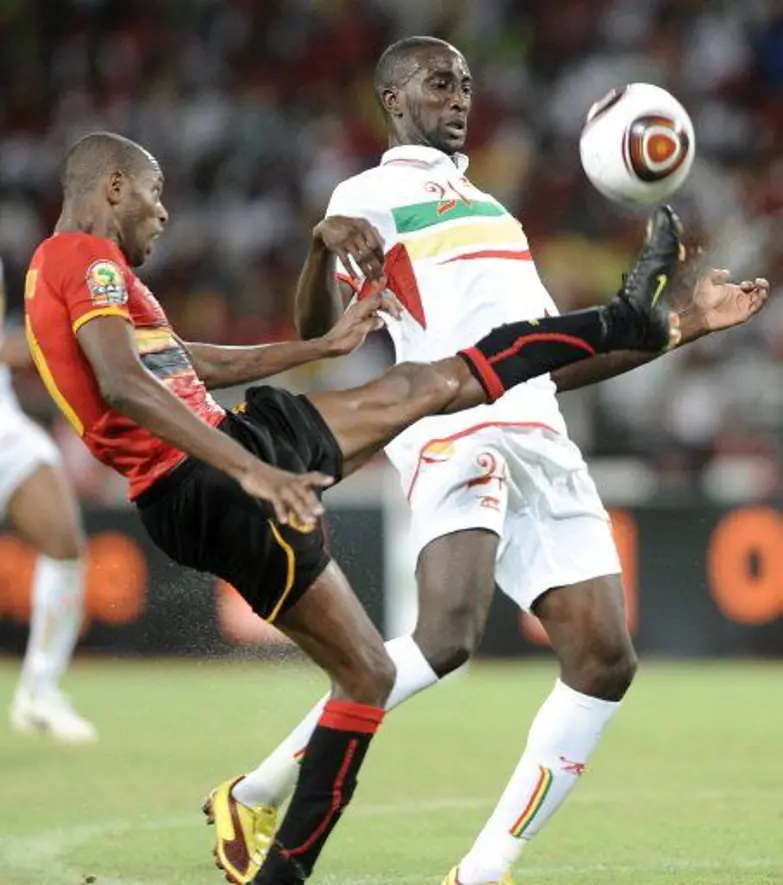
Not all openers, however, have followed a predictable script. In Luanda in 2010, Angola delivered the most dramatic opening match the competition has ever seen, racing into a four-goal lead before Mali produced a scarcely believable comeback, scoring four times in the final 11 minutes to draw 4–4. It was chaos, heartbreak, and beauty, everything AFCON represents.
Morocco know that history can cut both ways. When they last hosted the tournament in 1988, the Atlas Lions surrendered a first-half lead against Zaire, conceding late to draw 1–1; an ominous sign of a campaign that ended short of the final. That memory still lingers.
This time, the stakes feel different. Facing Comoros in Rabat, Morocco will be determined to place themselves firmly on the favourable side of AFCON history. The opening match is no longer just a formality; it is a statement, a ritual, and often a glimpse into what lies ahead.
As decades of AFCON openers have shown, the hosts rarely fail to rise to the moment. When the first whistle blows in Rabat, Morocco will be hoping the weight of history, the roar of the home crowd, and the spirit of a proud continent align once more—allowing the tradition to continue, and the hosts to begin their journey exactly where AFCON history says they should.