
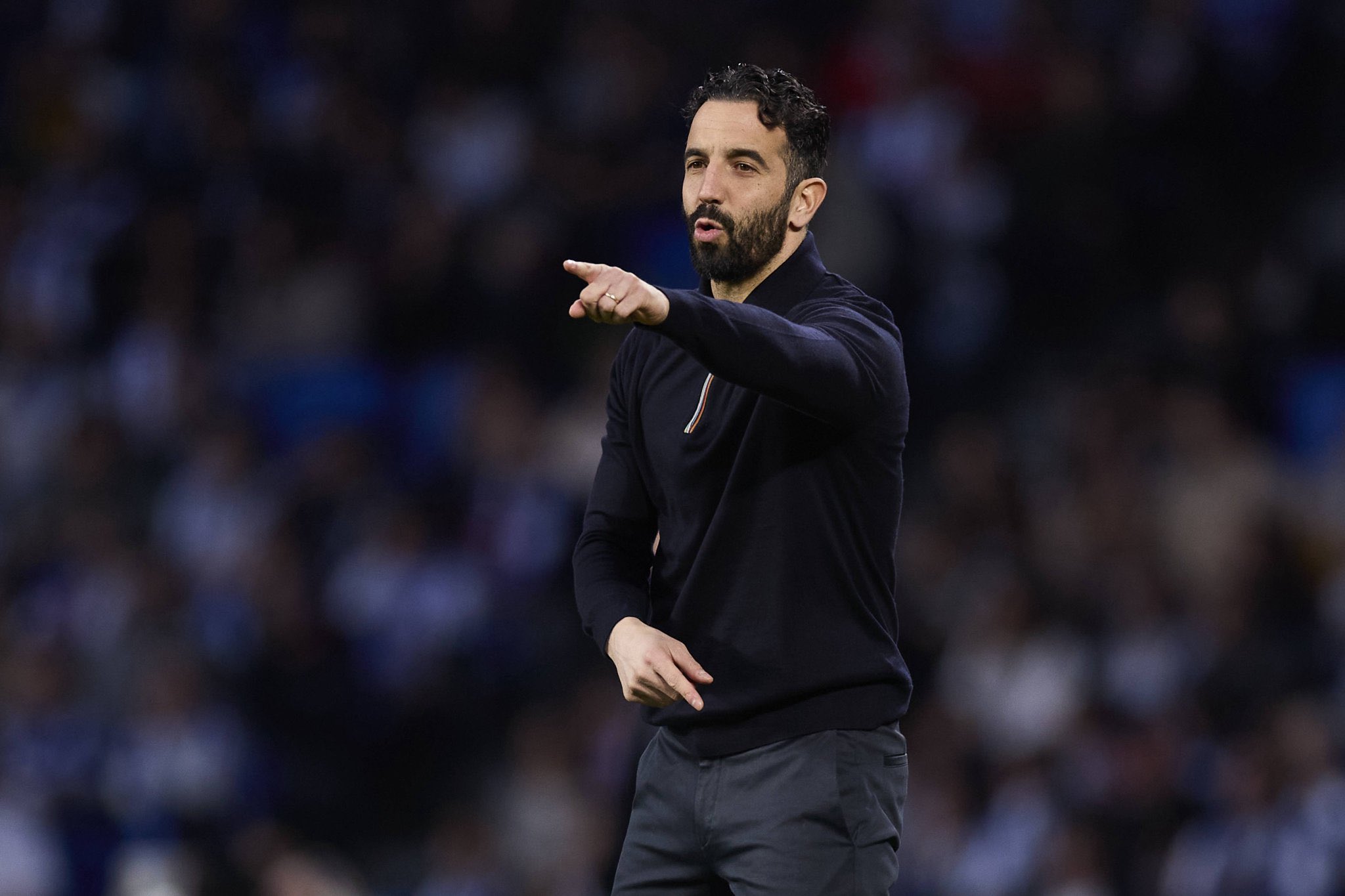
Struggle for more power costs Amorim, but was he right to have asked for more at Manchester United?
Ruben Amorim’s 14-month reign as Manchester United head coach has ended, not simply because of results, but amid an increasingly evident power struggle behind the scenes at Old Trafford.
While the club publicly insist there were no ultimatums or authority battles, multiple indications point to a growing breakdown in relationships at the top of United’s football structure, particularly between Amorim and Technical Director Jason Wilcox. Insiders describe a disconnect over control, influence and direction, one that ultimately proved irreparable.
After yesterday’s game against Leeds United which ended 1-1, Amorim’s comments during the post-match presser showed a man who wanted more say in the day-to-day running of the club.
“I came here to be the manager, and not the head coach”
Although United’s leadership had grown unconvinced that Amorim was delivering sufficient tactical evolution or progress on the pitch, but the deeper issue lay in governance.
Since the club’s structural reset, Manchester United have been determined to move away from the traditional manager-led model. Amorim, despite operating under the title of head coach, found himself working within strict limits—limits that became a source of tension as the season unfolded.
Recruitment became one of the flashpoints. Although club sources stress Amorim was aligned with last summer’s decision to sign three forwards (Matheus Cunha, Bryan Mbeumo and Benjamin Sesko) rather than a midfielder, the episode highlighted the reduced influence of the head coach in key football decisions.
United were keen to reinforce that point internally: recruitment would remain a collective decision, and no coach would be granted the veto power once enjoyed by Erik ten Hag.
Behind the scenes, United’s hierarchy became increasingly protective of their collaborative model. Amorim, for his part, is understood to have grown frustrated at the lack of autonomy and the blurred lines between coaching responsibility and executive authority. The relationship with Wilcox deteriorated as those tensions deepened, culminating in a loss of trust on both sides.
The 1-1 draw with Leeds United proved the final straw. Less than 24 hours after the game and Amorim’s comments, the club acted decisively, believing the power imbalance and strained working relationships were now undermining performance and long-term stability.

Manchester United have moved quickly to reassert control. Darren Fletcher has been appointed interim head coach, a choice that reinforces the club’s structure rather than challenges it. Insiders insist the squad remains capable of achieving its targets this season, including qualification for European football, and that the change was necessary to protect those ambitions.
As United search for Amorim’s successor, one message is clear: the power dynamic at Old Trafford will not change. The next appointment will be a head coach operating firmly within the club’s leadership framework—not above it. At Manchester United, the struggle for control has been settled, and the hierarchy has made it clear who holds the reins.