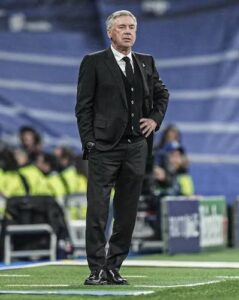

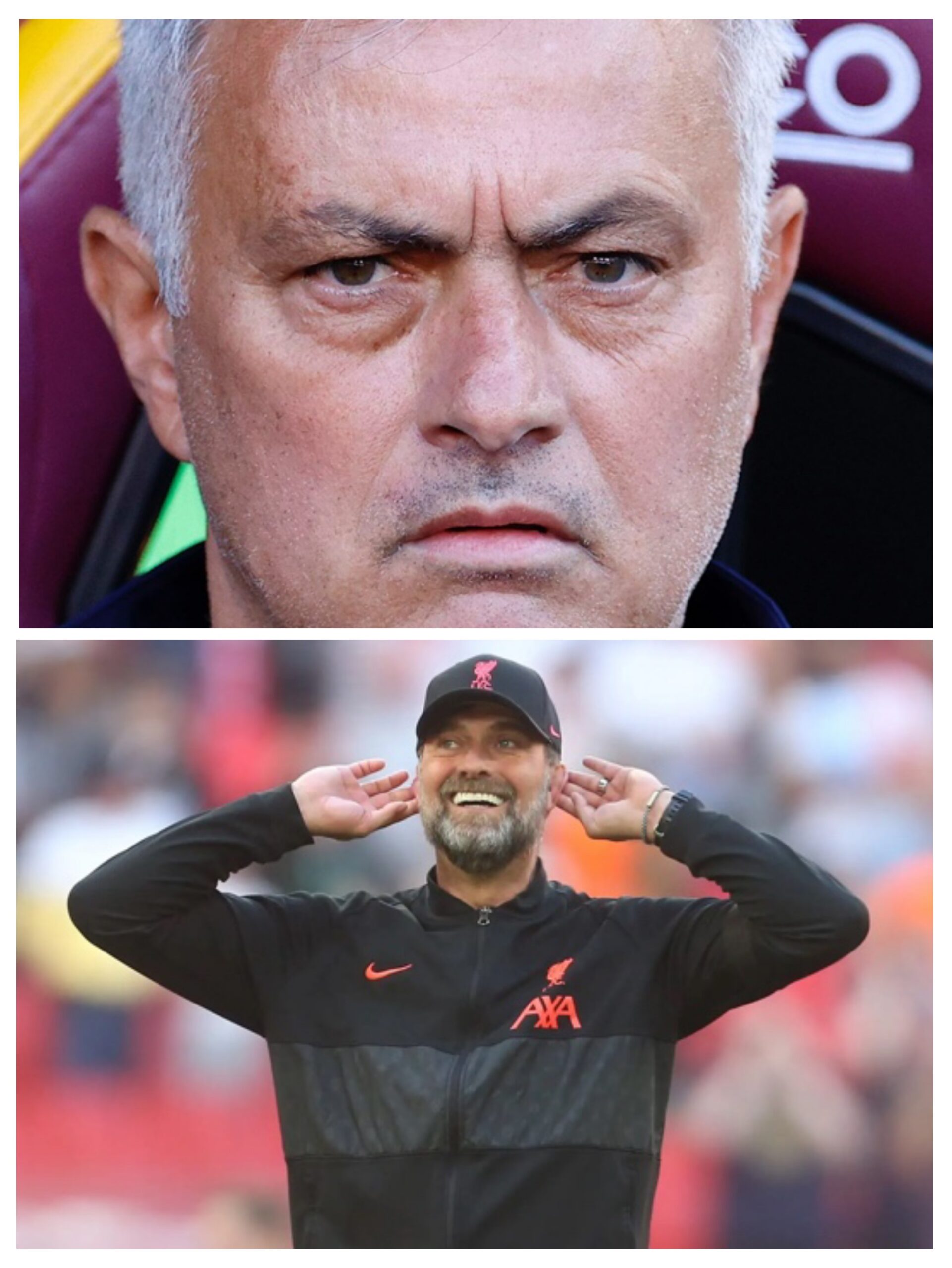
A Team Without a System or a System Without a Team: The System of Selection! PART 2
STORY BY: NANA AGYEMANG
The Gegenpressing Model: –

This system as I know it was popularized by Jürgen Klopp in the first instance during his time in the English Premier League but the system was established by Ralf Rangnick, who also mentored Thomas Tuchel.
Gegenpressing is a science of intensity a tactical philosophy rooted in reaction speed, compact structure, and coordinated aggression. It is built on the conviction that the moment possession is lost is also the moment the opponent is most vulnerable. Rather than retreating to reorganize, the team attacks the ball immediately, suffocating the opponent’s space and rhythm.
Klopp: Gegenpressing the secret of his success!
The success of this model depends on precision, synchronization, and relentless energy. Selection, therefore, becomes almost mathematical determined by measurable variables such as sprint distance, reaction time, recovery rate, and pressing efficiency.
Players are chosen not just for technical ability, but for their capacity to sustain high-intensity play, read collective triggers, and execute pressing patterns without hesitation. Sentiment has no role in this system. A single lapse in intensity or positional discipline can break the pressing chain, exposing the team’s structure.
Liverpool demonstratd this style and pattern of play throughout Klopps tenure winning the
UEFA Champions League (2018-19)
UEFA Super Cup (2019)
FIFA Club World Cup (2019)
Premier League (2019-20)
FA Cup (2021-22)
At its core, Gegenpressing transforms defense into attack. It is football in fast-forward transitions compressed into seconds, instincts sharpened by repetition, and every movement calibrated to reclaim control.
The system thrives on unity; it functions only when all eleven players move as one organism, hunting the ball in coordinated waves. For this reason, current form and physical readiness become non-negotiable. The model demands bodies and minds conditioned to anticipate, react, and recover with precision.
Gegenpressing system represents cold and calculated method it may look like chaoes at times but its not! It is controlled aggression. The press is triggered by spatial cues, body orientation, or the opponent’s passing angles, with every player assigned a pressing role relative to the ball’s location.
The rhythm of the game is dictated by the team’s collective synchronization and stamina, and not by any individual brilliance. In essence, Gegenpressing represents football’s scientific evolution a blend of physiology, psychology, and geometry. It measures not only how far players run, but when, why, and how fast they respond. It is the perfect expression of football’s modern truth: that energy, intelligence, and form must converge to produce dominance!
The Pragmatic Structural Philosophy

The philosophy of managers like José Mourinho, Diego Simeone, and Carlo Ancelotti centers on functionality and reliability. Players are selected not for showmanship but for their discipline and ability to execute tactical instructions under pressure.
Each inclusion is a calculation of who best fits the tactical requirement of the next opponent. This model relies heavily on form, focus, and game intelligence. Sentiment is seen as a threat to structure, and every position must serve a defined purpose within the larger plan.
The pragmatic model believes football is won by reducing risk and maximizing control. It treats every match as a unique tactical problem rather than a stage for expression. Formations are flexible, often shifting within matches, but the structural integrity of the team remains sacred. Every player must understand not only their role but also how to neutralize the opponent’s strengths.
Tactically, this system thrives on compactness and control. The team remains tight between the lines, compressing space and denying opponents both time and comfort on the ball. Unlike possession-based philosophies that prioritize sustained control, this model values moments instead.
The rapid transition from defense to attack or attack to defense as decisive turning points in the match. Every player is selected according to how efficiently they perform their assigned duty; creativity is permitted only when it aligns with the tactical plan.
Flexibility is another defining trait; line-ups and structures are constantly adapted to match the opponent’s shape, strengths, and weaknesses. The system lives and breathes through precision, discipline, and the ability to execute tailored strategies without losing collective identity.
In this system, it is also worth noting that form and discipline override flair. A player’s inclusion is a calculation rooted in reliability, concentration, and the ability to execute tactical instructions with precision. Sentiment or reputation are viewed as potential liabilities, capable of clouding judgment and destabilizing the collective.
A forward may be selected not for his goal tally but for his pressing discipline and work rate off the ball. A midfielder might be chosen for his positional balance and defensive coverage rather than for creative flair. A defender’s composure and positional awareness often hold greater value than his passing range.
Every selection decision, therefore, is made to serve the structure ensuring that the system, not the individual, remains the central force driving performance.
Mourinho and Simeone, in particular, emphasize mentality. Their teams thrive under siege. They cultivate what’s often called the “siege mentality” convincing players that unity, sacrifice, and tactical obedience make them invincible even against superior opponents. Confidence comes not from possession but from control of emotion, of space, and of tempo.
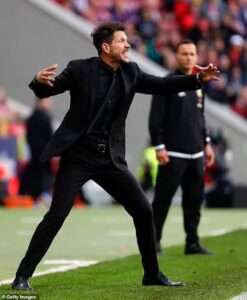
The practical expression of this system can be seen through the work of managers such as José Mourinho, Diego Simeone, and Carlo Ancelotti; each interpreting its principles through his own temperament and tactical lens.
Mourinho is the master of situational control; his teams shift seamlessly between deep defensive blocks and rapid counter-attacks, every substitution and tactical adjustment calculated to preserve structure. Simeone’s Atlético Madrid embodies compactness and psychological ferocity, where every duel matters and every metre of ground is contested with conviction. Ancelotti, by contrast, brings a very calm authority to the game applying structure with flexibility, granting creative players freedom within a disciplined framework, and blending pragmatism with composure to achieve balance.
You only have to see them on the touch line to see how true this analysis of them is, especially Ancelloti who is so much more calmer than the Mourinho and Simeone!