

AFCON 2025: Things We Learned
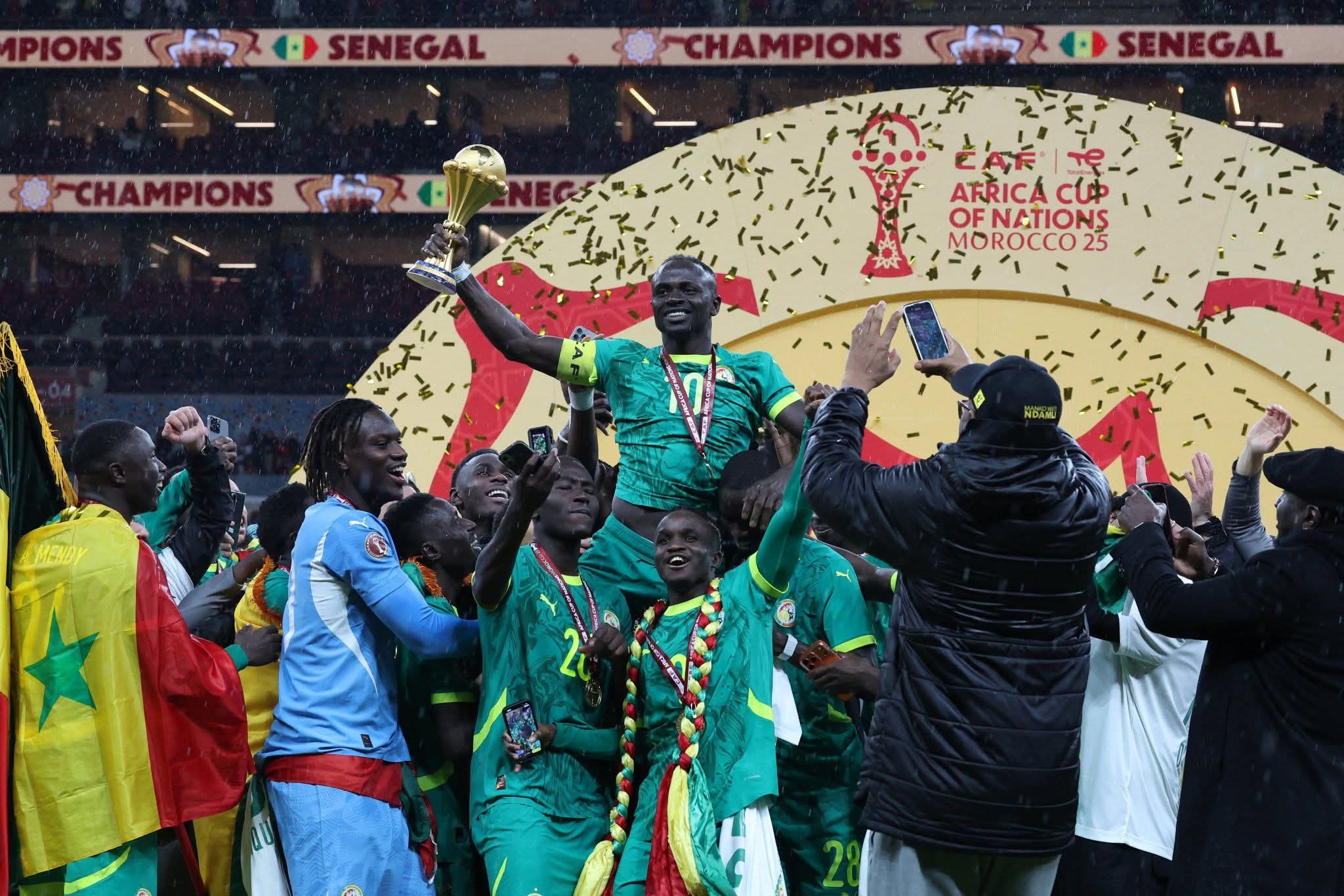
The dust has finally settled on the 35th edition of the Africa Cup of Nations in Morocco, where Senegal emerged champions after beating the host nation to clinch their second AFCON crown.
One month of intense competition ended last weekend as 24 nations gathered in North Africa to compete for continental supremacy.
CAF President Patrice Motsepe hailed this year’s AFCON as the best in history—but what exactly did we notice and learn from the tournament in Morocco?
Goals Galore: History Made

First, history was made in terms of goals scored. AFCON 2025 recorded 121 goals, the highest in the competition’s history, surpassing the 119 goals scored at the 2023 tournament in Côte d’Ivoire.
Morocco’s Brahim Díaz scored the most of the 121 goals, netting five times to emerge as the Golden Boot winner. His teammate Ayoub El Kaabi and Nigeria’s Victor Osimhen followed closely with four goals each.
Given the tournament’s expansion from 16 to 24 teams since the 2019 edition in Egypt, it was only fair that with the increase in matches played, the total number of goals would rise.
No More Minnows in African Football
We also learned that African football has truly come of age. “Minnows”? There is no such thing anymore.
Two nations won their first-ever AFCON matches at this tournament. Benin and Mozambique achieved this historic feat during the group stage. Benin’s 1-0 win over Botswana was their first AFCON victory, just as Mozambique’s thrilling 3-2 triumph over Gabon marked their maiden win.
These single victories were enough to send both teams into the Round of 16—their first-ever appearance at the AFCON knockout stage—where they eventually exited after defeats to Egypt and Nigeria respectively.
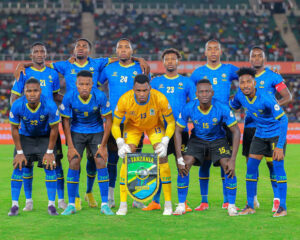
Despite failing to win a game, Tanzania also progressed to the last 16 after recording two draws in the group stage. They came up against Morocco and lost narrowly by a 1-0 margin, creating chances of their own and pushing the hosts all the way.
Tanzania are still yet to win a game at the Africa Cup of Nations finals.
Morocco Sets the Standard with Facilities

The facilities that hosted AFCON 2025 were another major takeaway. For the first time in AFCON history, nine venues across five cities—Rabat, Casablanca, Tangier, Agadir and Fes—were used, with Rabat alone providing four stadia.
Pitch quality was top-notch, clearly demonstrating Morocco’s readiness to co-host the 2030 FIFA World Cup alongside Spain and Portugal. This was the result of nearly two decades of deliberate investment in football infrastructure.
Throughout the tournament, heavy rains fell during several matches, yet play was hardly affected. The pitches were fitted with modern drainage systems beneath the playing surface, allowing excess water to drain instantly and keeping the grass playable even during downpours.
In previous AFCON tournaments, games had often been delayed or disrupted due to waterlogged pitches, but that was not the case in Morocco. It could rain all day, yet the game would continue without concern.
Officiating: A Slight Dip

Finally, we move to the issue that almost marred the beauty of the African game—officiating.
Another lesson from AFCON 2025 was that refereeing standards dipped slightly. The football world praised Africa after the 2023 tournament in Côte d’Ivoire, where officiating and VAR usage were widely considered near perfect.
However, in Morocco, several decisions proved controversial, with VAR seemingly ‘asleep’ at critical moments. Numerous teams complained about officiating.
Algeria called out Senegalese referee Issa Sy following their 2-0 quarterfinal loss to Nigeria, claiming unfair treatment.
Similarly, Mauritanian referee Dahane Beida came under heavy criticism after Cameroon’s quarterfinal clash with host Morocco. Although Morocco won 2-0, the Indomitable Lions felt hard done by after several contentious calls.
When Bryan Mbeumo was clipped in the penalty area, Beida allowed play to continue despite replays showing clear contact. VAR did not deem it a ‘clear and obvious error.’ In another incident, a Moroccan defender’s elbow caught Karl Etta Eyong on the edge of the box, yet the foul was called against the Cameroonian attacker.
FECAFOOT president Samuel Eto’o reacted angrily, accusing CAF of rigging the tournament in favour of the host. His comments and conduct later earned him a fine and a four-match ban.
In the semifinals, Egyptian players were seen gesturing at referees, suggesting they had been ‘bought’ following their narrow defeat to Senegal. Nigeria also had their turn, angrily confronting Ghanaian referee Daniel Laryea after their penalty shootout loss to Morocco.
The drama peaked in the final at a packed Stade Prince Moulay Abdellah in Rabat. Aggrieved after what they believed was a legitimate goal ruled out, Senegal attempted to boycott the match when Morocco were awarded a late penalty following a VAR review.
The Teranga Lions questioned why VAR did not intervene for their disallowed goal but was used to award the penalty. The protest halted the game for nearly 15 minutes before play resumed, and Brahim Díaz failed to convert from the spot, chipping tamely into the hands of Edouard Mendy.
Looking Ahead
The next AFCON is scheduled for 2027, with Kenya, Tanzania and Uganda set to co-host. The hope is that standards will continue to rise and refereeing will improve in East Africa.
After matches, the focus should be on scorelines—not officiating decisions. Still, on the whole, African football has truly come of age, and only time will tell how far it can go.