

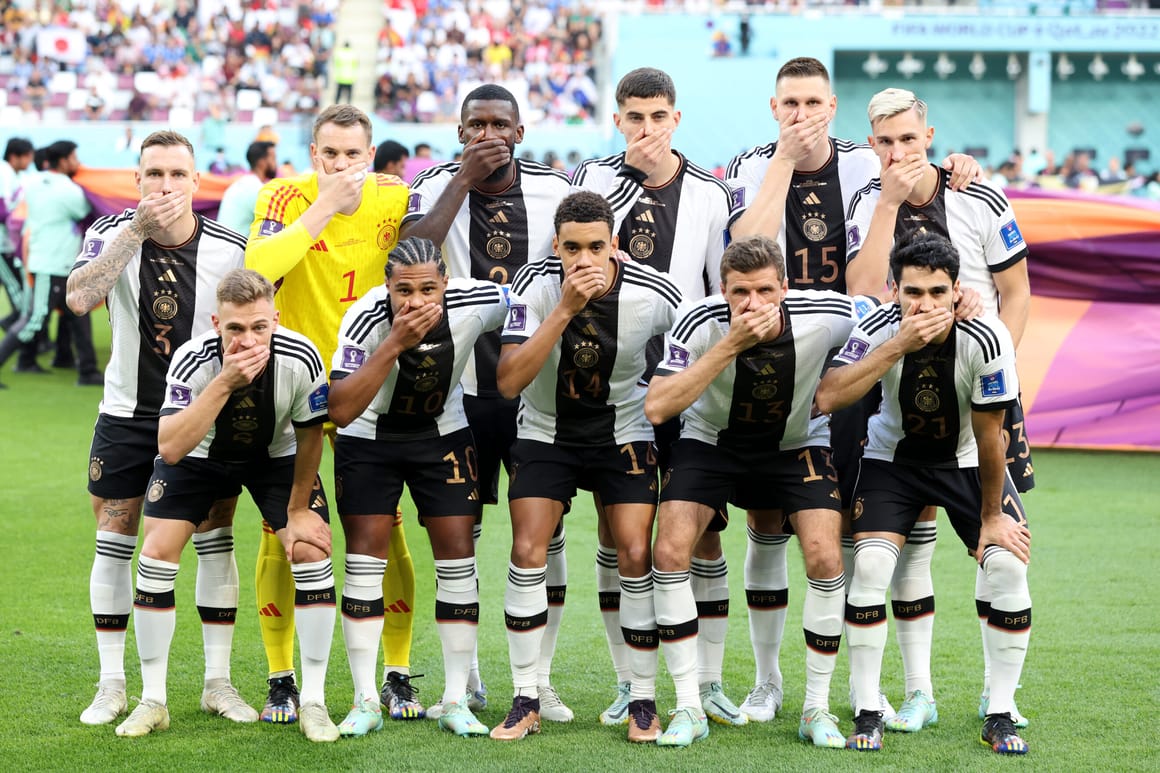
German officials are reportedly discussing the possibility of withdrawing from the upcoming FIFA World Cup. This consideration is a direct response to the potential for a United States military incursion into Greenland, a move that could severely damage transatlantic relations.
Tensions have been rising following repeated statements from former U.S. President Donald Trump regarding Greenland. The vast, autonomous island is part of the Kingdom of Denmark. Mr. Trump has previously expressed interest in the United States purchasing Greenland and has made threats of aggressive action towards the territory.
Analysts suggest that a U.S. invasion of Greenland would likely trigger an immediate and severe trade conflict between the United States and the European Union. Such an economic dispute would place immense political strain on EU member states, calling into question their participation in international cooperative events, including global sporting competitions.
The potential boycott centers on the principle of diplomatic solidarity. European nations, bound together in the EU, would be expected to present a united front against what would be viewed as an act of aggression against a fellow member state, Denmark. A joint EU withdrawal from the World Cup is considered a possible, though extreme, measure to demonstrate this unity and condemn the action.
The German national football federation (DFB) has not yet issued an official statement, noting that the situation remains hypothetical. However, they confirm they are in close contact with the federal government regarding geopolitical developments that could impact international sport.
This situation presents a stark example of how geopolitical conflicts can extend into all areas of international cooperation, including culture and sport.