

How Ghana’s Lost Cup Changed History And Why Egypt Didn’t Keep the AFCON Trophy
When Egypt sealed an unprecedented treble; winning the Africa Cup of Nations in 2006, 2008 and 2010, many fans assumed the Pharaohs would follow tradition and keep the trophy forever. After all, Ghana had done it in 1978. Cameroon did it in 2000. The unwritten law of African football was simple: win AFCON three times, take the silverware home permanently.
But when captain Ahmed Hassan lifted the golden AFCON trophy in Luanda in 2010, history took a different turn. The Egyptian Football Association received a beautiful replica, but the original cup returned to CAF custody.
Why the change?
To answer that, you have to go back—first to Accra in 1978, then to a mystery that has become part of African football folklore.
The Ghost of the Salem Trophy
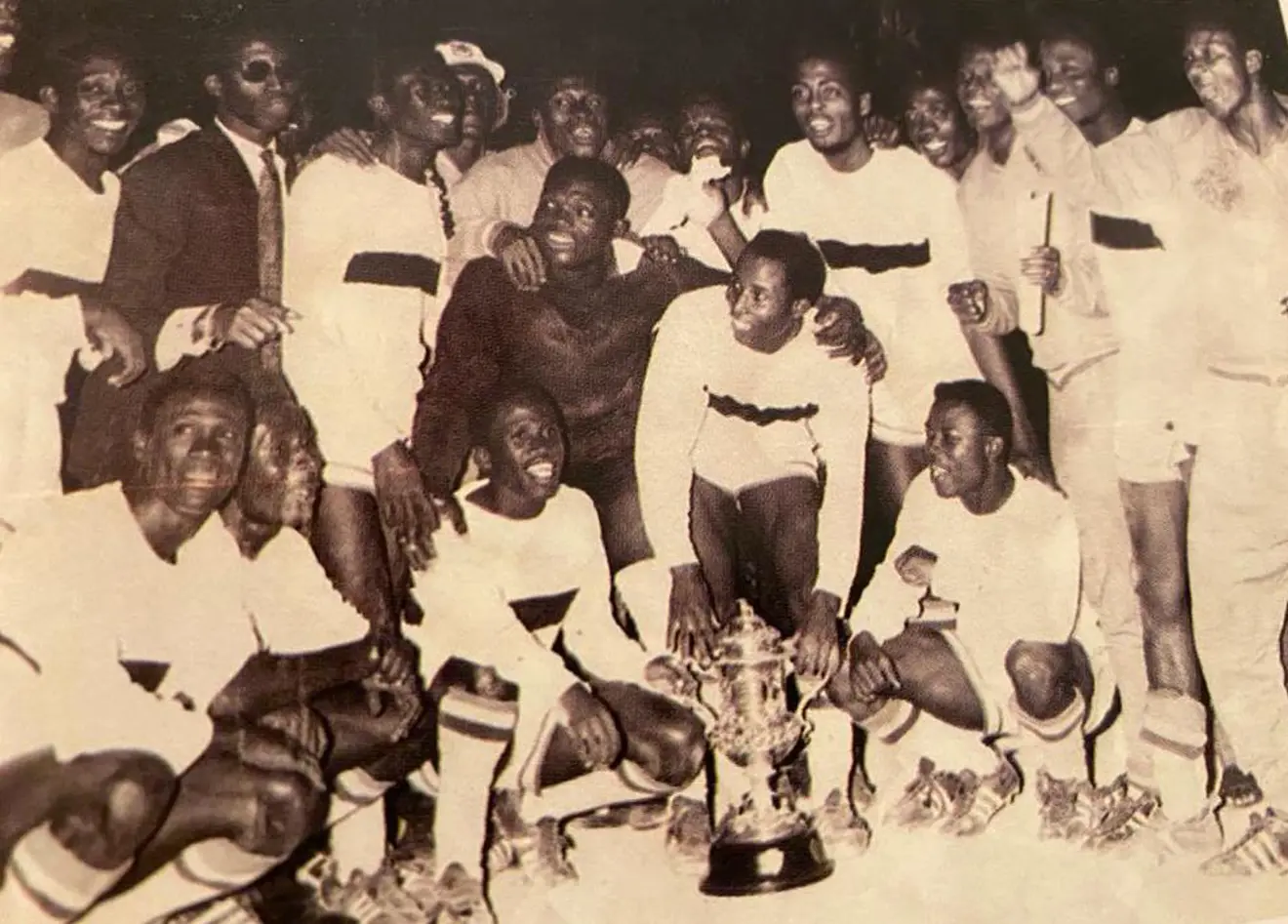
In 1978, Ghana beat Uganda in Accra to win their third AFCON title. By the rules of the era, that triumph allowed them to retain the Abdelaziz Abdallah Salem Trophy, the competition’s original silver cup introduced in 1957.
For nearly two decades afterwards, the cup sat proudly in the Ghana Football Association headquarters—a symbol of dominance, pride, and the birth of the “Black Stars era”.
Then it vanished.
Sometime in the early 2000s, the historic trophy was reported stolen from the GFA offices under mysterious circumstances. No one has seen it since.
Investigations stalled. Rumours spread. Some believe it was melted down for its metal value. Others think it sits in a private collection somewhere overseas. A few optimists still argue it will resurface one day, like a forgotten artefact from African football’s past.
What is certain is this: CAF took notice. Losing an irreplaceable trophy was a wake-up call.
Cameroon and the Second Cup – A Warning Reinforced
After Ghana kept the first cup, CAF introduced the African Unity Trophy for the 1980s and 1990s. Cameroon dominated the era and won the right to keep the second-generation trophy after their third title in 2000.
Two permanent trophies gone. One already missing.
CAF understood the risk: the tournament’s most iconic symbol could vanish each time a golden generation emerged.
In a rapidly modernising sport, that was no longer sustainable.
A New Era: The Trophy That No One Keeps
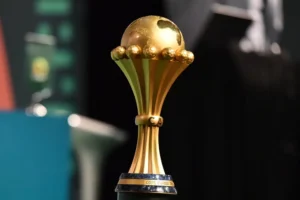
When CAF unveiled a newly designed trophy for AFCON 2002, crafted by an Italian firm with a bold golden globe, it came with a decisive rule change:
No team, no matter how dominant, would ever keep the original AFCON trophy again.
Champions would lift it. Parade it. Photograph it. But when their reign ended, they had to give it back.
The national association would receive an official winner’s replica—faithful, full-sized, camera-ready—but the original would remain under CAF’s protection, guarded with the institutional seriousness previously lacking.
It was a direct response to lessons from the past:
The Salem Trophy disappearing in Ghana.
The financial and symbolic loss of replacing trophies every era.
The need for consistency in AFCON branding as global TV audiences skyrocketed.
The importance of protecting African football heritage
Egypt’s Treble Met New Rules
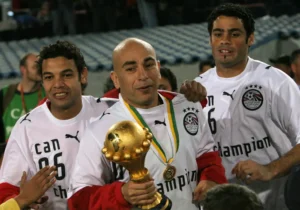
So when Egypt became the first nation in history to win three AFCON titles back-to-back in 2006, 2008 and 2010, they were rightly celebrated but the trophy stayed with CAF.
Under pre-2002 rules, the Pharaohs would have taken the cup home permanently.
Under the new system, they received: An official full-size replica, gold medals, and engraved recognition on the original trophy’s base.
But the true AFCON trophy remained in CAF’s vault.
Egypt changed the record books. CAF protected the silverware.
The modern AFCON trophy goes through strict security protocols whenever it travels—armoured cases, specialised handlers, detailed check-in logs. These aren’t merely precautions. They are lessons etched into the sport’s memory.
Because somewhere out there—in a hidden room, a private vault, or perhaps lost forever—is the Salem Trophy that Ghana once earned and proudly displayed.
Its disappearance didn’t just take away a piece of Ghana’s history.
It reshaped AFCON itself.
And that is why Egypt, despite achieving what no African team has before or since, did not keep the AFCON trophy.