

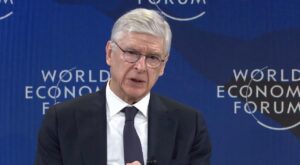
Former Arsenal manager and current FIFA Chief of Global Football Development, Arsène Wenger, has addressed recent calls for a boycott of the upcoming FIFA World Cup in the United States. His comments came alongside observations from FIFA President Gianni Infantino regarding fan behavior, highlighting the complex and often contradictory nature of the global tournament.
Speaking at a leadership forum in London, Wenger acknowledged the recurring pattern of pre-World Cup criticism, drawing parallels with the previous tournaments in Russia and Qatar.
“We have faced this before,” Wenger stated. “It happened in Russia and it also happened in Qatar. We must rise above these matters. In the end, football exists to bring people together.”
The Frenchman pointed to a notable contradiction from the last World Cup. “The main criticism of World Cup ticket prices came from Germany and England,” he noted. “Yet, paradoxically, demand from those countries was the strongest.”
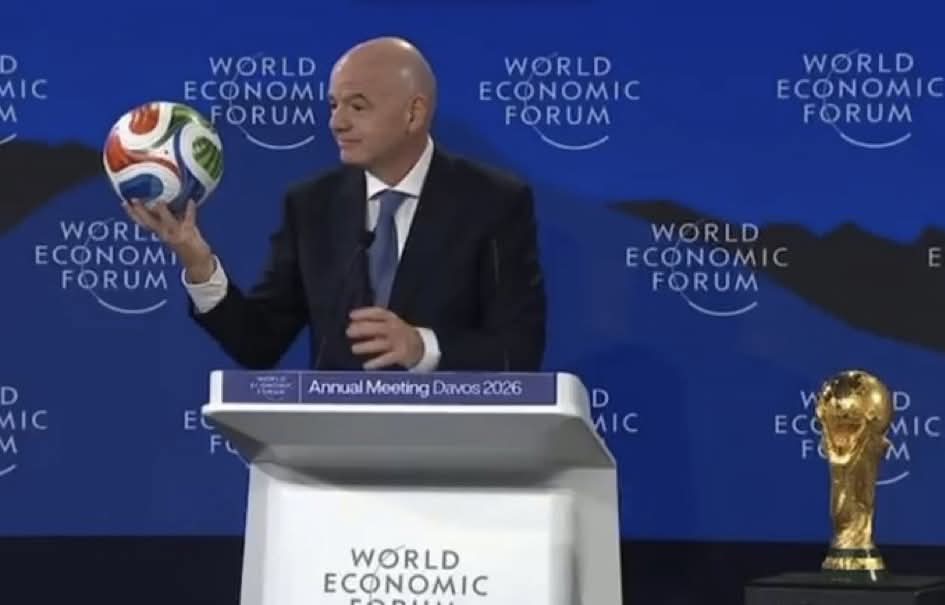
FIFA President Gianni Infantino, speaking at the same event, shifted focus to the positive fan conduct witnessed in Qatar. He presented it as evidence of football’s power to foster a peaceful, shared experience.
“For the first time in history, not a single British fan was arrested during the last World Cup,” Infantino announced. “Just imagine that! It’s something truly special and exceptional.”
Infantino suggested that the unique environment of a World Cup, where diverse fan bases mix in a neutral setting, can promote better behavior and cross-cultural unity.
The combined remarks from two of football’s most influential figures present a clear stance. While acknowledging public debate and criticism is part of the modern tournament cycle, they believe the event’s core mission of unification ultimately prevails. They point to strong fan engagement and improved stadium atmospheres as metrics of success that can outweigh external controversies.
As the 2026 World Cup in North America draws closer, these statements underscore FIFA’s ongoing effort to frame the event as a force for global connection, amidst the inevitable political and social discussions it attracts.