
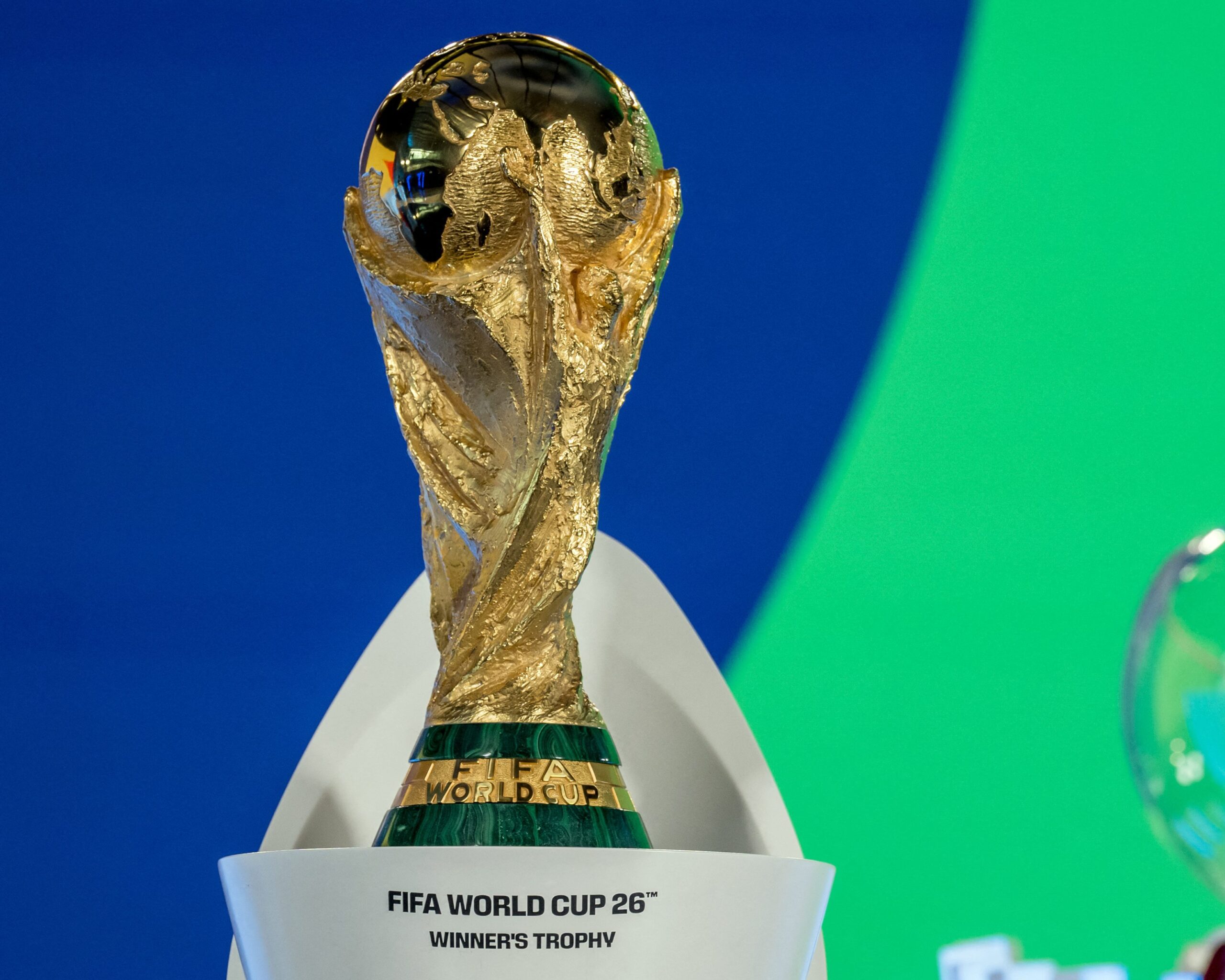
2026 FIFA World Cup Final Ticket Prices Soar to All-time High
FIFA is under growing scrutiny after ticket prices for the 2026 World Cup reached unprecedented levels, with seats for the final reportedly costing as much as $10,990 (£8,333) during the first open sales phase.
The governing body’s pricing has marked what has become the most expensive general admission ticket ever recorded for a football match at a FIFA World Cup.
Initial projections outlined in the joint bid by United States, Canada and Mexico suggested a maximum final ticket price of $1,550. However, prices have steadily risen through successive sales phases, from $8,680 in December to nearly $11,000 in the latest release.
By comparison, the most expensive ticket for the 2022 FIFA World Cup Final stood at approximately $1,604, underlining the sharp escalation in pricing for the upcoming edition.
FIFA has not publicly disclosed its full pricing structure, instead implementing a dynamic pricing system where costs fluctuate based on demand.
Tickets for group-stage matches ranged from $140 to nearly $3,000, with the opening fixture between Mexico and South Africa among the most expensive observed. Meanwhile, corporate hospitality packages reached as high as $124,800 for premium experiences.
FIFA has stated that additional tickets may be released closer to matchdays, while its resale platform is set to reopen shortly and could introduce even higher costs due to added transaction fees.
Opinion: Pricing the Fans Out of the World’s Game
Let’s strip this down to reality.
Football sells itself as the global game. The one sport that belongs to everyone. But pricing a World Cup final ticket at nearly $11,000 sends a very different message: this stage is no longer for fans, it’s for buyers.
Dynamic pricing is not the villain by itself. Airlines use it. Hotels use it. But those industries don’t claim emotional ownership over billions of people. Football does. That’s the contradiction FIFA isn’t addressing.
The more uncomfortable truth is that FIFA is testing how far it can push before backlash actually costs them money. And right now, demand is proving them right.
But there’s a long-term risk here. If stadiums become dominated by corporate guests and high-net-worth spectators, the atmosphere changes. The World Cup stops feeling like a cultural event and starts resembling a luxury product.
Look at the numbers. From about $1,600 in Qatar 2022 World Cup to nearly $11,000 in 2026. That’s not inflation. That’s repositioning.
And once you reposition something like the World Cup, it’s hard to walk it back.
FIFA might still fill every seat. But the real question is who’s sitting in them and who’s been pushed out.