

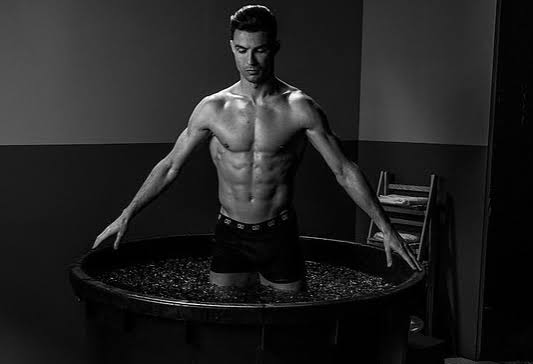
Why Athletes Sit in Ice Baths—and Why It Hurts So Good
After the final whistle blows and the crowd fades, many athletes don’t head straight for the locker-room showers. Instead, they lower themselves—slowly, grimacing—into tubs filled with ice-cold water. It looks like punishment, but for decades, ice baths have been a trusted recovery ritual across sports, from football and basketball to track and swimming.
So why do athletes willingly sit in blocks of ice?
The Science Behind the Chill
Intense training and competition cause tiny tears in muscle fibers, leading to inflammation, swelling, and soreness. Ice baths, also known as cold-water immersion, expose the body to temperatures typically between 10–15°C (50–59°F). This cold causes blood vessels to constrict, which helps reduce swelling and tissue breakdown.
When athletes step out of the ice bath and warm up again, blood flow increases, flushing out metabolic waste like lactic acid and delivering oxygen and nutrients needed for muscle repair.
Key Benefits of Ice Baths
1. Faster Muscle Recovery
Cold water helps limit inflammation and muscle soreness, allowing athletes to recover more quickly between training sessions or games—especially during tournaments or congested schedules.
2. Reduced Muscle Pain (DOMS)
Delayed Onset Muscle Soreness (DOMS) can peak 24–72 hours after intense exercise. Ice baths can reduce the severity of this soreness, helping athletes feel fresher sooner.
3. Mental Toughness
Sitting in icy water isn’t just physical—it’s psychological. Athletes often describe ice baths as a test of discipline and resilience, reinforcing mental toughness and focus.
4. Injury Management
For minor strains or overworked muscles, ice baths can help control inflammation and prevent small issues from becoming bigger problems.
Not for Everyone, Every Time
Despite their popularity, ice baths aren’t a cure-all. Some studies suggest frequent use after strength training may slightly reduce long-term muscle growth by limiting the natural inflammatory response needed for adaptation. As a result, many athletes now use ice baths strategically—after games or intense competitions rather than every workout.
A Ritual of Recovery
Whether it’s elite professionals or weekend warriors, the ice bath remains a symbol of commitment to recovery. It’s uncomfortable, even painful—but for athletes chasing peak performance, those few frozen minutes can mean the difference between feeling sore and feeling ready to compete again.
In sports, recovery is just as important as training—and sometimes, the coldest seat in the room is the smartest one to take.