
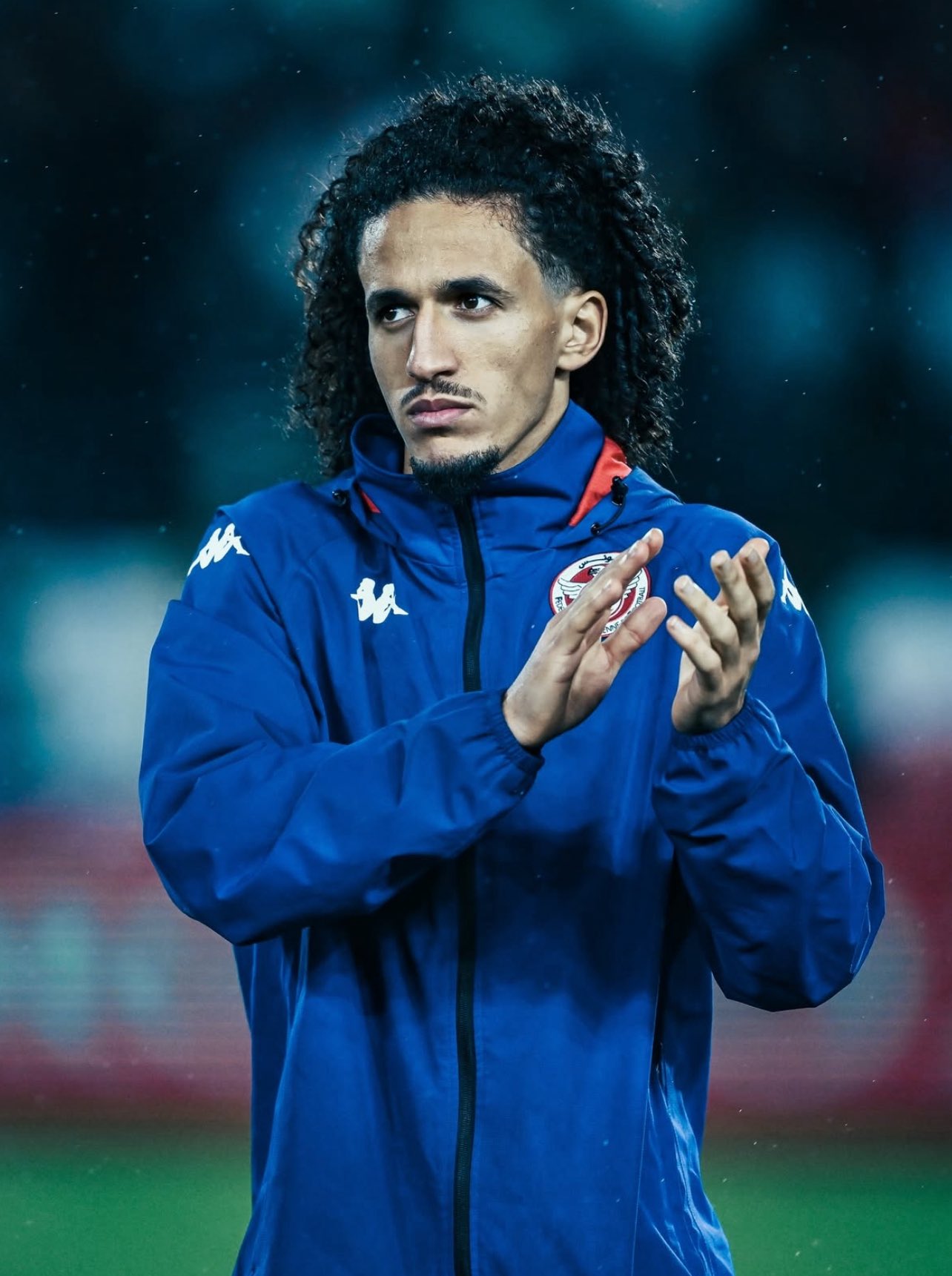
“We Are 10 Years Behind” — Hannibal Mejbri’s Brutal Verdict After Tunisia’s AFCON Exit
Tunisia’s Africa Cup of Nations campaign came to a painful end at the hands of Mali, but it was Hannibal Mejbri’s brutally honest post-match assessment that has dominated the fallout from the Carthage Eagles’ shocking elimination.
After crashing out on penalties to a ten-man Mali side, the Burnley midfielder delivered a damning verdict on the state of Tunisian football, calling for a complete structural reset.
“I will say it now, we are 10 years behind in football,” Hannibal said.
“We have to sit down and ask ourselves how we got to this point. We have to re-educate and train in everything, learn again from the beginning, from the very first jobs in football.”
His words cut deeper than the defeat itself.
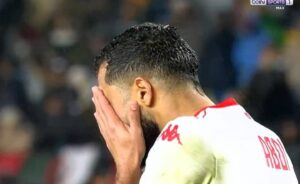
On paper, Tunisia had every advantage. Mali were reduced to ten men just 26 minutes into the contest, yet the Carthage Eagles failed to translate dominance into goals. Chance after chance went begging as Mali goalkeeper Djigui Diarra produced a heroic display that increasingly frustrated the North Africans.
When Firas Chaouat finally broke the deadlock in the 88th minute, heading past Diarra, it appeared Tunisia had done enough to escape. But the inability to manage the game—another issue Hannibal alluded to—proved costly.
In stoppage time, Sinayoko converted from the penalty spot in the 96th minute, dragging Mali back into the contest and sending the match to extra time. Despite sustained pressure, Tunisia still couldn’t find a winner.
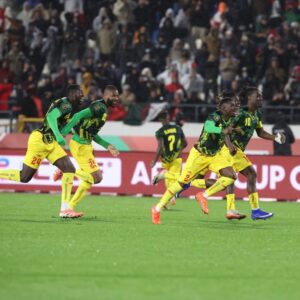
The penalty shootout summed up the night. Mali held their nerve to win 3–2, with Diarra once again the decisive figure.
While the defeat hurt, Hannibal’s comments pointed to a much larger crisis beyond a single match or tournament.
“Football in Tunisia has fallen behind a lot, especially when you compare us to countries like Morocco.”
The comparison was telling. Morocco’s recent success on the continental and global stage has been built on long-term planning, elite youth development, modern coaching education, and institutional reform—areas Hannibal implied Tunisia has neglected.
Hannibal’s statement wasn’t an emotional outburst. It was a call to action. From grassroots coaching to administrative structures, he suggested Tunisian football needs to rebuild from the ground up rather than paper over cracks with short-term fixes.
The loss to Mali may fade with time, but Hannibal Mejbri’s words will linger. For many Tunisian fans, they echoed what has long been felt—that the problem is not just results, but direction.
Unless those warnings are heeded, this AFCON exit may prove to be not an exception, but the new normal.