
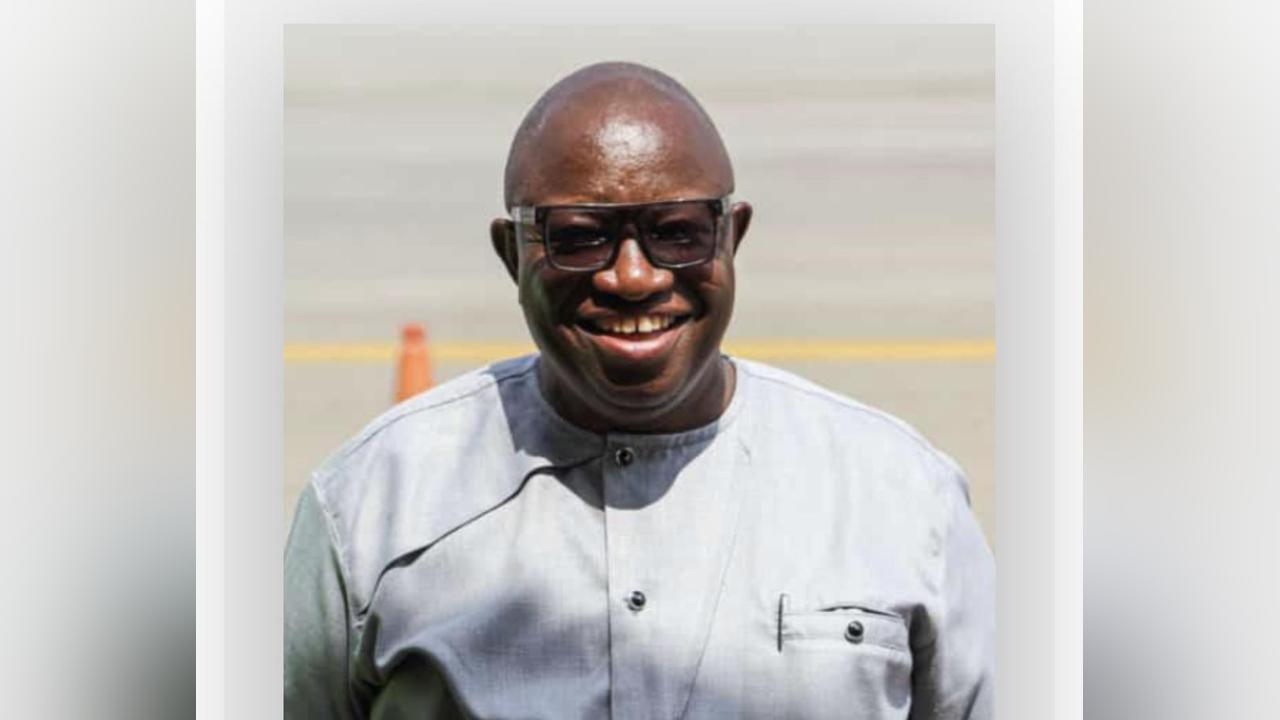
The Chairman of the Ghana League Clubs Association (GHALCA), John Ansah, says preparations for the association’s competition are well advanced, with member clubs expressing strong support since the programme was unveiled and confirming their readiness to begin action on the 26th, 28th and 30th of this month.
Speaking on the state of the competition, Ansah commended clubs for their cooperation, noting that they had accepted the arrangements put in place for them without complaint. “The class before then has been supportive enough, and I want to take this medium to thank them for the total support they’ve given to the association,” he said. “Whatever little that we had for them, they accepted it, and they are ready to kick the competition.”
Beyond the competition itself, Ansah used the opportunity to address what he described as a damaging pattern in the relationship between football administrators and sections of the media.
He said feedback from corporate institutions and agencies GHALCA had engaged for partnerships had, in some cases, been coloured by unverified reports of disputes over sponsorship funds, claims he insisted were untrue.
He explained that such narratives often originate from a single caller’s remark during a phone-in programme, sometimes on a different station entirely, before being picked up and repeated elsewhere as fact. “Once they picked it, that is the end of the story,” he said, describing how such moments can harden into a settled if false impression of the game’s administrators.
If you don’t criticize us, we cannot do the right thing. But give a constructive criticism where you can bring out some form of suggestions to help all of us grow the industry.”
Ansah drew a firm distinction between that kind of scrutiny and coverage he characterised as agenda-driven reporting aimed at discrediting individuals in leadership rather than informing the public.
He said the industry needed to deliberately move away from targeting people in authority, in management, and at clubs, echoing a similar call he attributed to the sports minister.
Cost to Sponsorship
The GHALCA Chairman linked this reputational damage directly to missed commercial opportunities. He disclosed that corporate entities who had shown interest in supporting this year’s Top Four and the current Cup competition ahead of the World Cup later withdrew, citing the World Cup itself as having exhausted their sponsorship budgets a response he suggested may also reflect the wider caution created by the game’s public image problems.
He added that the practice of pre-judging administrators before an interview even takes place where a club president may suspect a reporter of calling with a predetermined agenda was corroding the basic trust required for open dialogue between clubs and the press.