
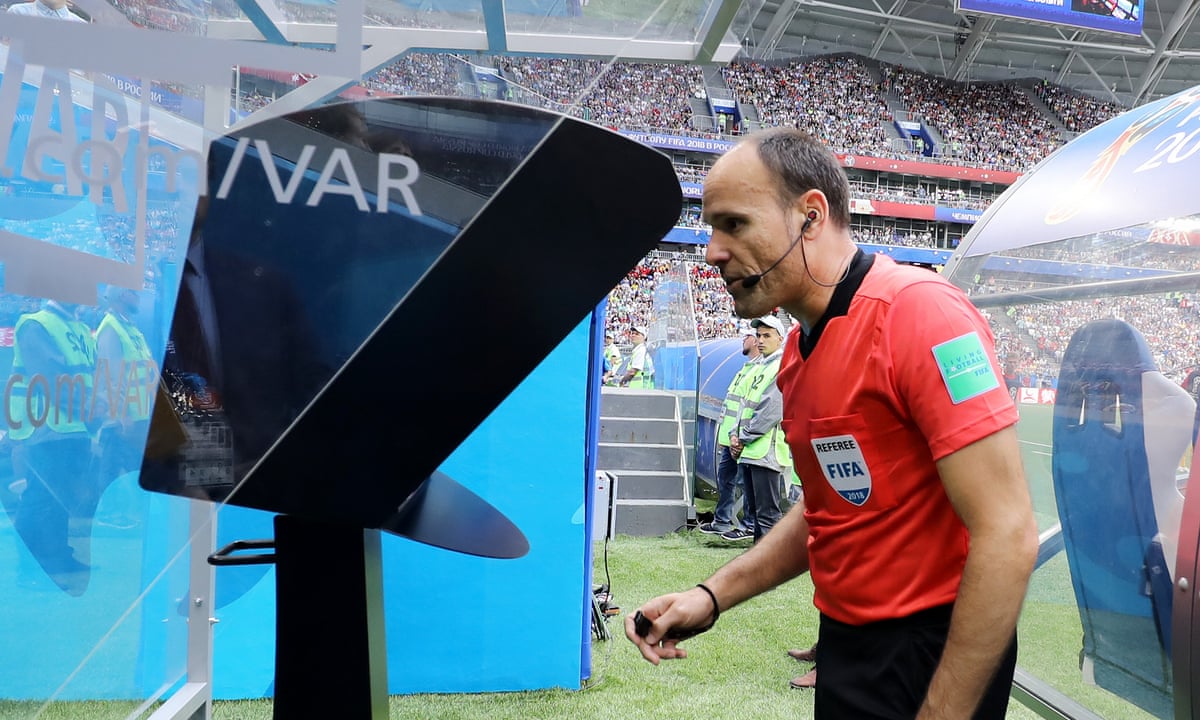
FIFA Pushing Forward With Corner-Kick VAR Trials for 2026 World Cup Despite Resistance
FIFA is moving ahead with plans to introduce VAR checks for the awarding of corner kicks at the 2026 World Cup, even though some domestic leagues and football bodies reject the idea for broader use in the global game.
The proposal was first raised at the October meeting of the International Football Association Board (IFAB), the body responsible for football’s laws but the move failed to gain the necessary support from stakeholders.
While IFAB members agreed to expand VAR’s remit to include the review of incorrectly shown second yellow cards that lead to a red, they declined FIFA’s suggestion to review whether corners were correctly awarded.
With the rejection, FIFA is now expected to independently develop a trial mechanism, allowing it to deploy the corner-review system during next summer’s World Cup in the United States, Mexico, and Canada.
This approach is not new. FIFA has previously piloted innovations at its own tournaments, including semi-automated offside technology and referees announcing VAR decisions to fans—both of which were introduced at major competitions before being offered to domestic leagues.
FIFA’s head of referees, Pierluigi Collina, has long advocated for expanding the scope of VAR to include more decision-critical restarts. He argues that if a mistake can quickly be identified in the video booth, it should be communicated to the referee in real time.
Collina has even suggested going beyond corners, pointing to situations like the Euro 2016 final. In that match, Portugal were mistakenly awarded a free-kick for an alleged handball in extra time—an error that nearly led to a decisive goal. Under an expanded VAR protocol, such a mistake could be corrected instantly.
The topic will return to the table at the next IFAB meeting in January, but regardless of wider support, FIFA appears determined to move ahead with trials.
If implemented, the 2026 World Cup may witness another step in football’s technological evolution; one that could reshape how matches are officiated at the highest level.