
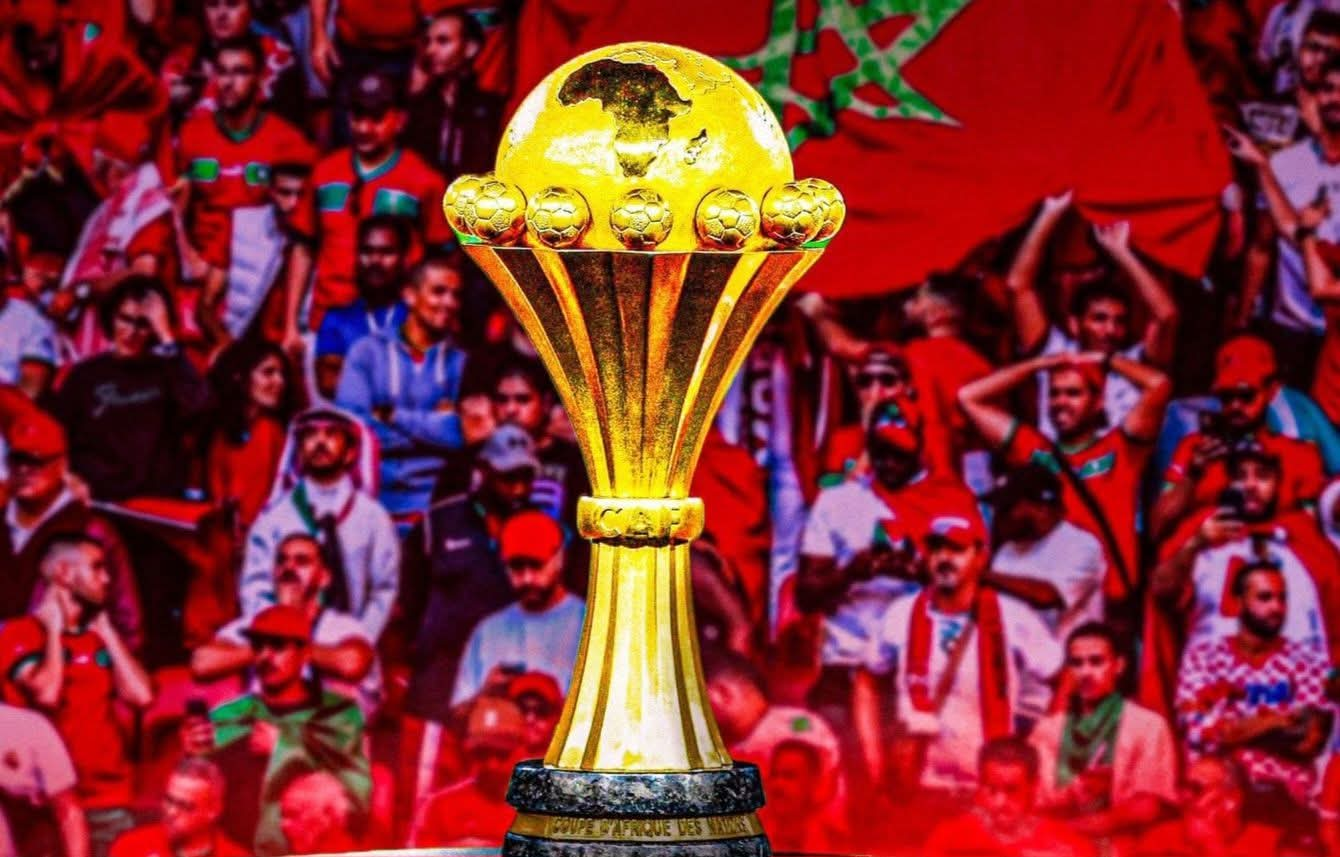
The Confederation of African Football (CAF) has announced a major restructuring of its men’s national team calendar, shifting the Africa Cup of Nations (AFCON) to a four-year cycle and introducing a new annual competition.
CAF President Dr. Patrice Motsepe confirmed the changes at a press conference in Rabat today.
The upcoming AFCON 2025 in Morocco and the 2027 edition, to be co-hosted by Uganda, Kenya, and Tanzania, will proceed as scheduled. The shift will begin after the 2027 tournament.
AFCON Moves to Four-Year Schedule
From 2028, the continent’s flagship tournament will be held every four years. This means the competition will be played in 2028, 2032, 2036, and so on.
This change aligns AFCON with other major international tournaments like the FIFA World Cup and the UEFA European Championship, which also operate on a four-year cycle. The move is expected to ease fixture congestion for players and allow for more extensive preparation and organization.
Introduction of the Africa Nations League
CAF will launch a new annual competition called the Africa Nations League, starting in 2029.
According to CAF President, Dr. Patrice Motsepe he said “The African Football League was enormously successful. There is money on the table to continue because it was a pilot project, a partnership between CAF and FIFA. At this stage, the plan remains part of the process going forward.
However, we must also realize that we have allocated significantly more money to the Confederation Cup than before. We are not incentivized by increasing the number of club competitions.”
Details on the format are still to be released, but the tournament is expected to feature all CAF member nations in a league style system.
The new competition aims to provide more consistent, high quality matches for all African national teams throughout each cycle.
A New Era for African Football
These changes are designed to improve the quality and global standing of African football.
The reforms mark a new strategic direction for CAF as it seeks to streamline its calendar and create more meaningful competitions for its member nations. Further details regarding the formats and qualification pathways for both tournaments are expected in the coming months.