
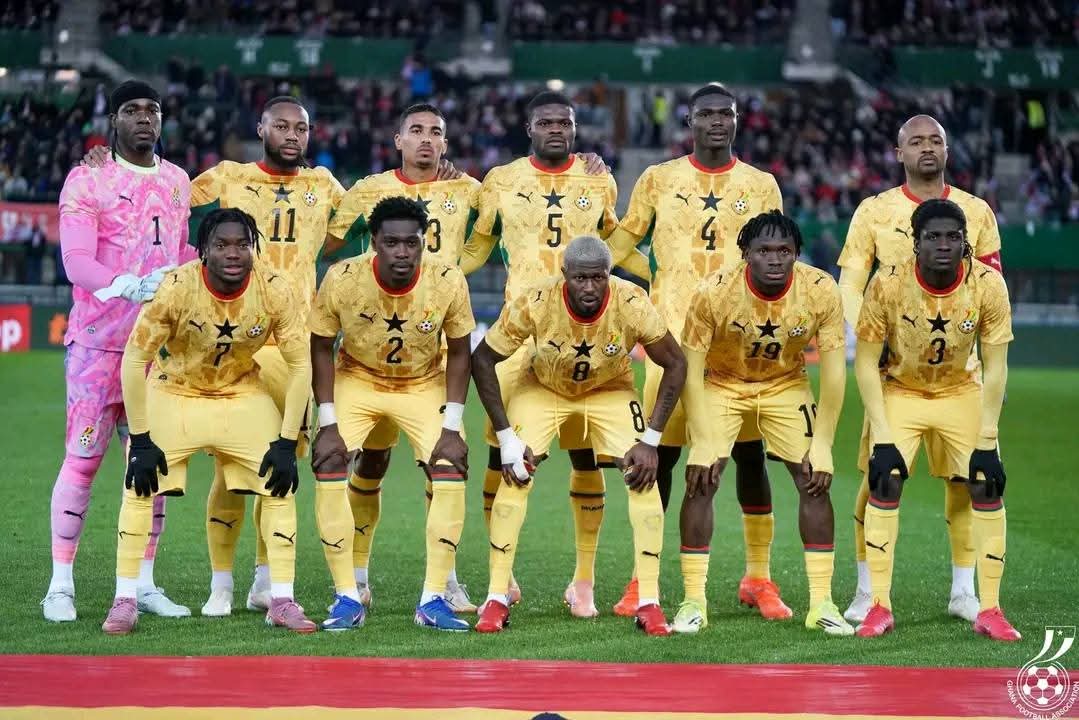
In the World of Football timing is everything. For the Ghana Football Association (GFA), the clock is ticking, not just toward the 2026 World Cup, but toward a self-imposed problems that threatens to undermine the very foundations of the Blackstars’ campaign.
As the search for a new head coach intensifies, a serious and uncomfortable truth is becoming clear, interested candidates are not merely stepping into a high-pressure role; they are positioning themselves for failure. And by all operational indicators, they will indeed fail.
The FIFA has set a firm deadline of May 30th for the announcement of the World Cup squad. This date is immovable. What follows is extremely complicated and difficult to manage, even for experts.
Ghana’s next friendly fixture is scheduled for just three days later, on June 2nd.
This compressed timeline presents an unprecedented challenge. Any newly appointed coach will be required to publicly name a final squad with whom they have no prior working relationship. They will have conducted zero training sessions with the selected players. The squad, in turn, will be entirely unfamiliar with the tactical systems, defensive structures, and attacking philosophies of a manager they have never met. The concept of a “honeymoon period” will be nonexistent; instead, the new coach will be expected to deliver results under conditions that actively preclude preparation.
The window for meaningful on-field cohesion is narrow. Before Ghana’s opening World Cup fixture against Panama, the team’s only scheduled opportunity for preparation will be a single friendly match against Wales. One match. That is the sum total of competitive minutes available to forge an identity, instill tactical discipline, and build the understanding that typically requires months of groundwork.
Compounding this issue is the strategic handling of the fixture against Mexico. According to sources familiar with the team’s planning, that match is intended exclusively for fringe players, those on the periphery of the squad. Early assessments indicate that an estimated 90% of the players who feature against Mexico will not be included in the final World Cup Squad.
While such a strategy may serve the purpose of evaluating depth, it offers the incoming head coach no opportunity to refine the chemistry or tactical fluency of the core group that will ultimately take the field in the World Cup.
In essence, the individual who accepts this role will be expected to select a World Cup squad in isolation, prepare it in a single fixture, and then guide it into the World Cup all without the foundational elements of training, philosophy or even basic familiarity with the squad.
It is a scenario that would give pause to any manager with a reputation to protect.
And indeed, it is precisely for this reason that well-respected coaches with proven pedigree will not apply for this job.
An experienced manager doesn’t struggle with the decision-making; the right choice is clear to them.
Accepting a role under these conditions offers no opportunity for success but carries the distinct risk of reputational damage.
If the team performs badly at the World Cup, most people will just blame the results (like losses or poor performance) instead of understanding the bigger, more complicated issues behind the scenes. These bigger issues are about institutional failure, problems with management, organization, planning, resources, or structures in the football association.
What’s left are only those who either don’t notice the risk (it seems small to them) or are okay with the risk (they’re willing to take it despite potential problems).
But for the Blackstars, a country with a proud footballing heritage and legitimate aspirations on the global stage, the prospect of entering a World Cup under such fractured circumstances is a scenario that risks squandering a generation of talent before a ball is even kicked.
The GFA President announced that over 600 coaches have applied for the Black Stars job, and a decision is expected within the next week or two. This only reinforces my view, anyone willing to take on this role under such constrained timelines is setting themselves up for failure and is unlikely to be a coach of high pedigree. One thing is certain, they are motivated more by the compensation or upgrading their CV than by the challenge itself.
As the World Cup approaches we will watch to see who ultimately accepts the challenge. But the structural realities suggest that the true outcome may already be determined, not by tactics or talent, but by a process that has made success all but impossible before the first whistle has blown