
The development of any national economy is driven by a combination of critical indicators, currency strength, stable exchange rates, GDP growth, and controlled inflation. These elements collectively create a conducive environment for both tangible and intangible sectors such as finance, real estate, agriculture, and tourism to flourish. In such conditions, industries are better positioned to attract investment, expand operations, and contribute meaningfully to national growth.

However, the football economy operates on a fundamentally different model. Unlike traditional sectors, it does not independently generate sufficient capital to sustain itself at scale. Instead, it is largely dependent on sponsorship and financial injections from other sectors of the economy. This makes football particularly sensitive to the broader economic climate. A thriving national economy often translates into increased corporate investment in football, while economic downturns typically result in reduced sponsorship and financial support.

That said, the relationship between economic strength and football investment is not absolute. Cultural preferences and national priorities play an important role in determining where corporate support is directed. For instance, in countries like India and Pakistan, cricket dominates corporate sponsorship, while in Australia and New Zealand, rugby attracts the bulk of investment. Football, therefore, must compete within a broader sports economy for relevance and support.
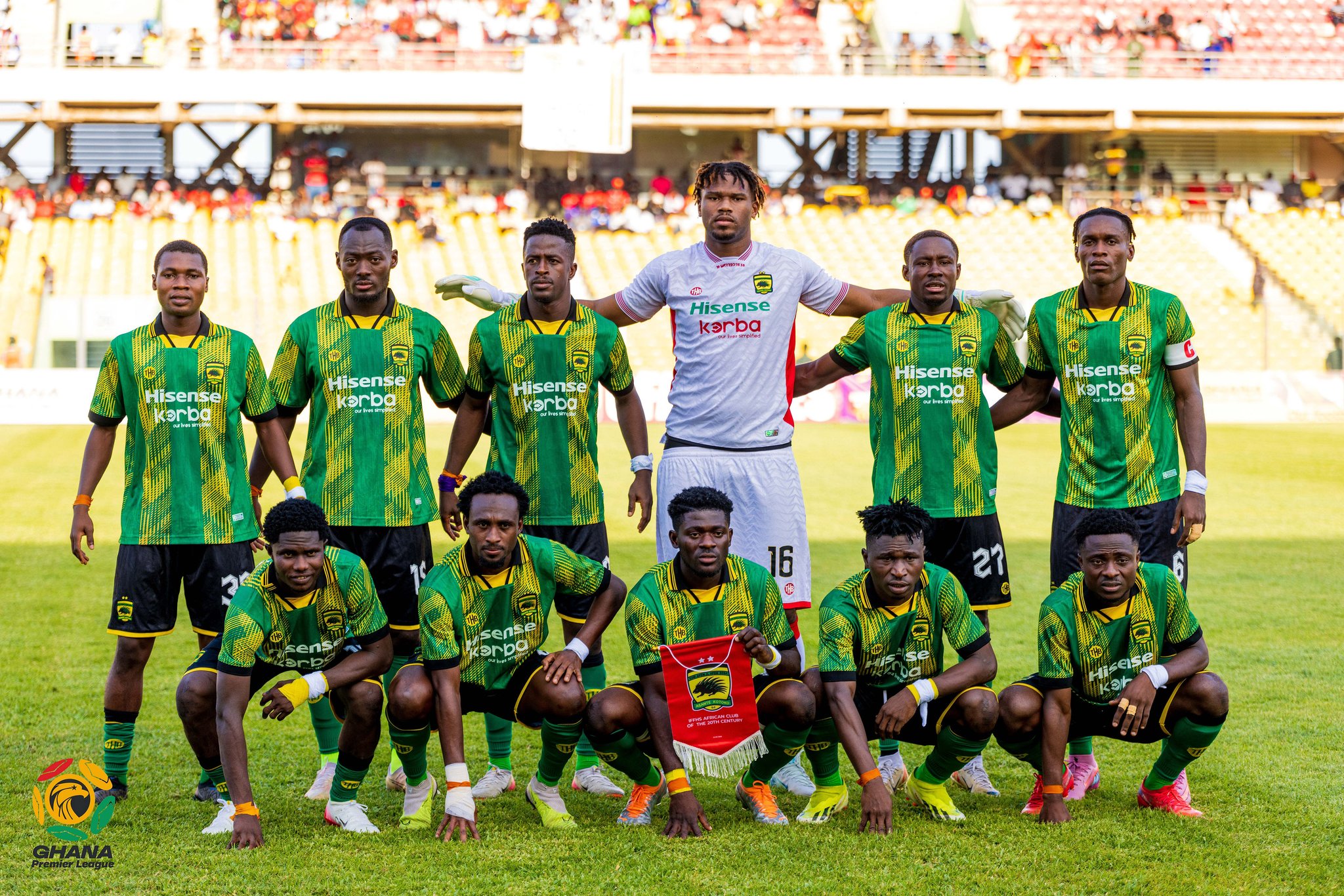
In the Ghanaian context, the Ghana Premier League has historically relied on traditional revenue streams, most notably gate proceeds. Matchday attendance remains a crucial source of income for clubs. However, a noticeable pattern among supporters is the tendency to tie attendance to team performance. When results decline, stadium attendance drops significantly, affecting club revenues and weakening financial stability.
Broadcast rights represent another vital revenue stream. Globally, television deals have transformed football economies. For example, the English Premier League secured a record £6.7 billion domestic television deal, boosting club revenues and ensuring long-term financial security. In Ghana, efforts have been made to replicate this model. The Ghana Football Association’s partnership with Adesa Productions, which guarantees GHC 1 million per club ahead of the 2025/2026 season, marks a step in the right direction. While modest in comparison to global standards, it provides a foundational framework for financial growth.
Despite these efforts, merchandising remains an underdeveloped area within Ghanaian football. The sale of replica jerseys, branded merchandise, and other club-related items has not been fully explored. Many clubs lack innovative marketing strategies and distribution channels to maximize this revenue stream. This is evident when compared to clubs like Kaizer Chiefs in South Africa, which reportedly sold over two million shirts by January 2026, generating billions in revenue. In contrast, Ghanaian clubs struggle to reach even a fraction of such figures.
Player transfers have traditionally been another avenue for revenue generation. In previous decades, Ghanaian clubs benefited immensely from transfer fees. Today, however, this model has become increasingly unreliable. A combination of factors including inadequate player development structures, limited negotiation power, and market inefficiencies has reduced transfer earnings. It is now common for clubs to struggle to secure transfer fees exceeding $150,000, an amount that falls short of meeting even basic seasonal budgets for top clubs.
These challenges raise critical questions about the current state of the Ghana Premier League. Is the declining revenue a reflection of dwindling fan interest, or does it point to a lack of innovation on the part of clubs? The answer likely lies in a combination of both. Clubs must do more to engage supporters, create value, and build lasting relationships that go beyond matchday results.
Looking ahead, there is an urgent need for structural and strategic reforms. Clubs must begin to operate as modern business entities rather than traditional sporting institutions. This includes exploring opportunities such as listing on the stock exchange, diversifying investments, and floating shares to attract capital. By adopting a business-oriented approach, clubs can unlock new revenue streams and ensure long-term sustainability.
Ultimately, the future of the Ghana Premier League depends on its ability to adapt to the evolving dynamics of the global football economy. Clubs must embrace innovation, leverage commercial opportunities, and reposition themselves as valuable enterprises. In this new paradigm, clubs should be viewed as economic assets, mines of opportunity, while players represent the gold that drives their value.