
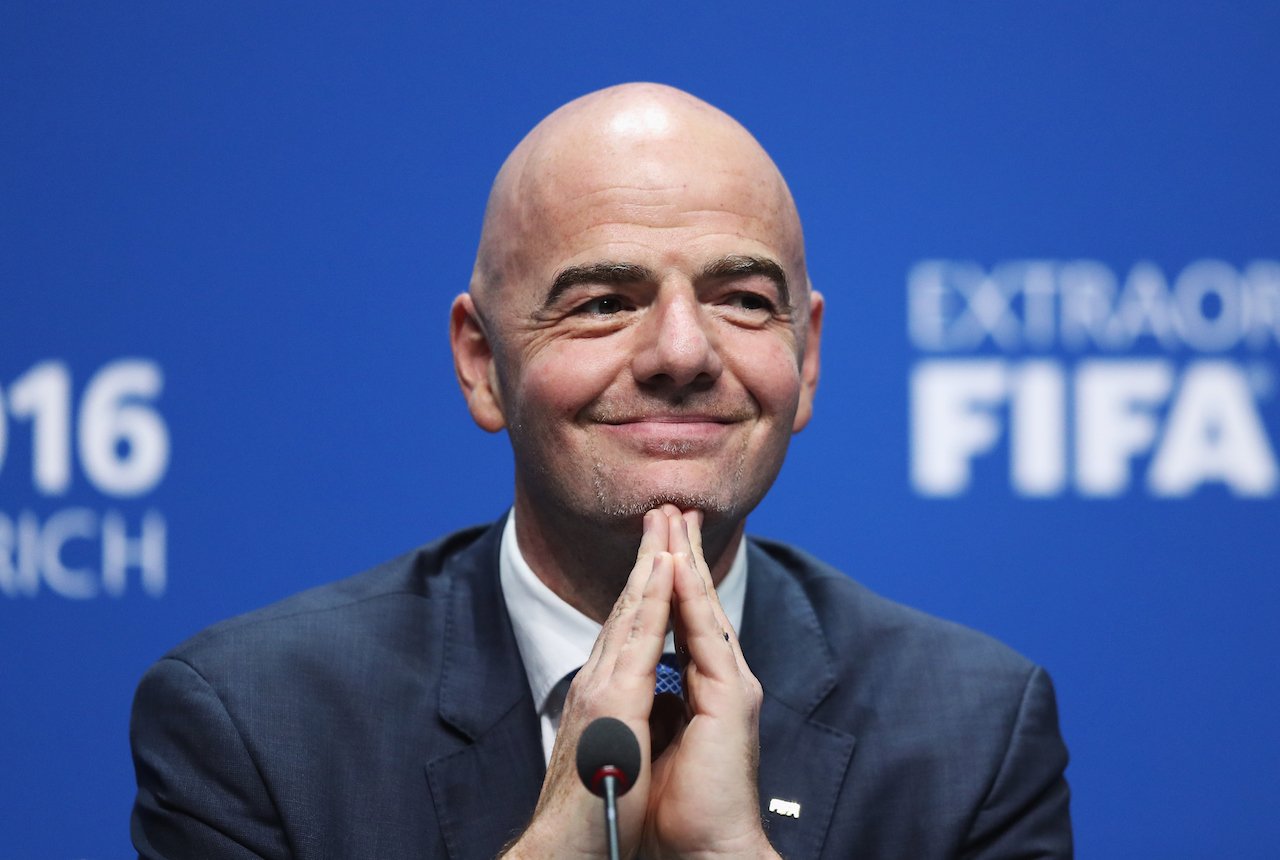
FIFA President Gives Member Associations September Deadline to Back FFE Plan
FIFA President Gianni Infantino has given the 211 member associations of the assassination until September 19, 2026, to decide whether they will support the proposed FIFA Forward Enterprise (FFE), with President Gianni Infantino linking approval to a $40 million funding package.
In a letter to member associations, Infantino said support from more than 50 percent of FIFA’s members, along with approval from the FIFA Council, is required for the commercial spin-off to move forward.
Associations that back the proposal will receive the funding from January 1, 2027, while those that do not will remain under FIFA Forward Programme 4.0 and receive approximately $10 million for the next cycle.
“The launch of FIFA Forward Enterprise needs more than 50 percent of members to back the plans,” Infantino wrote, adding that if the required support is not secured, FIFA will continue with its existing development programme. He described the offer as “a singular and unique funding opportunity” available only to associations that choose to participate.
The revised incentive doubles FIFA’s previous offer of $20 million, highlighting the governing body’s determination to secure backing for the project.
FFE is designed to oversee the commercial rights and operations of FIFA’s major competitions, including the men’s and women’s World Cups, with plans to sell more than 20 percent of the entity to private investors to raise billions of dollars for football development.
However, the proposal has faced growing resistance. UEFA has strongly opposed the move, arguing that bringing private investors into FIFA’s commercial business risks handing away control of the sport’s most valuable assets.
CONCACAF and the English Football Association have also reportedly raised concerns over the governance, transparency and long-term implications of the initiative.
The September deadline now places member associations at the center of one of FIFA’s most consequential decisions in recent years, forcing them to weigh a substantial financial incentive against concerns over the future commercial ownership and governance of world football.