
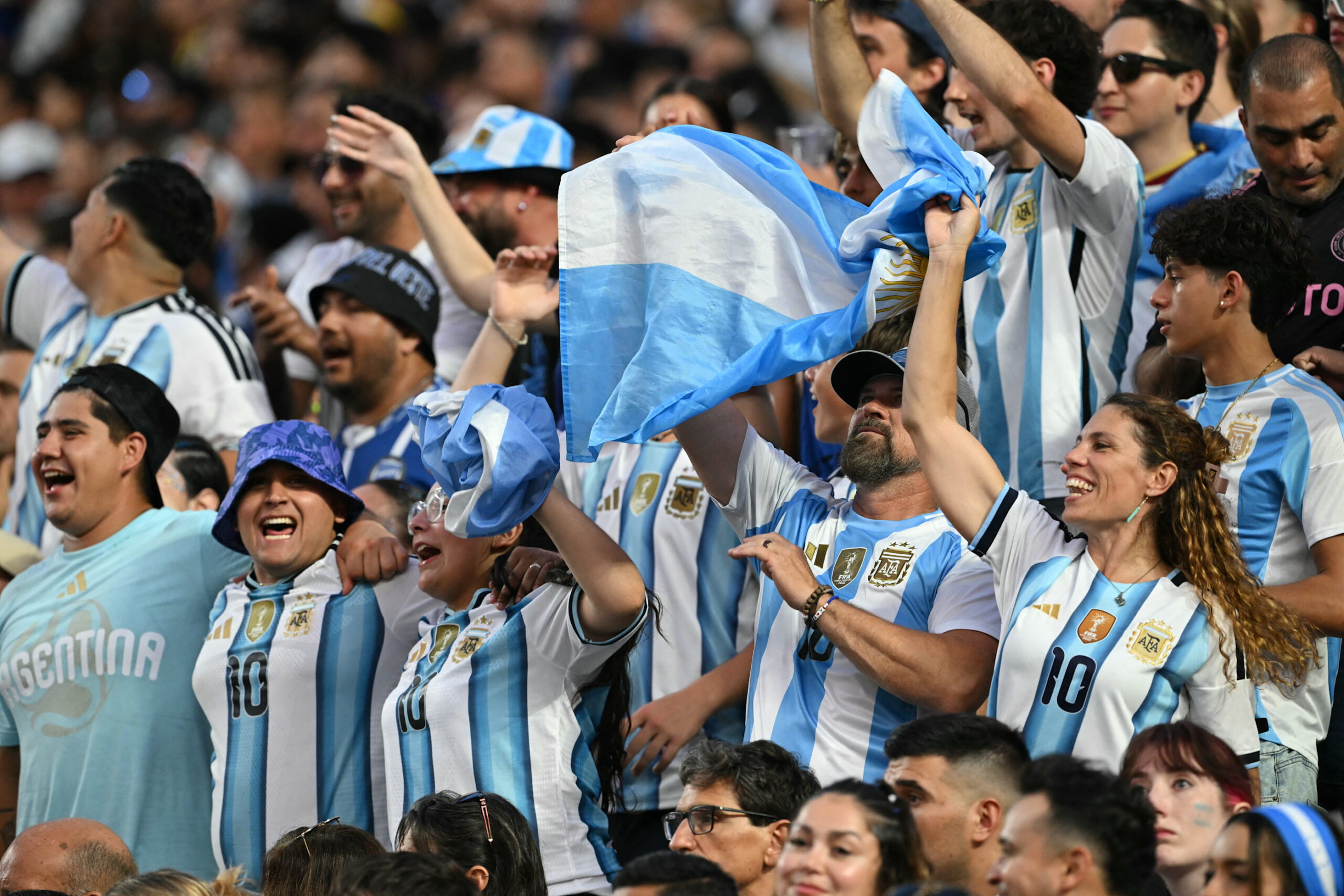
The Buenos Aires city government has escalated its cross-border child welfare enforcement measures ahead of the 2026 FIFA World Cup, transmitting to United States authorities a list of approximately 13,000 Argentine parents who are in default on court-ordered child support obligations, with the explicit directive that none of those individuals be permitted entry into any World Cup stadium on American soil.
The development marks one of the most expansive deployments yet of Argentina’s child welfare enforcement apparatus in a sporting context, building on a precedent established during the 2022 FIFA World Cup in Qatar where a similar, though significantly smaller, list of roughly 6,000 individuals barred from stadium entry included fans delinquent on maintenance payments.
Buenos Aires Mayor Jorge Macri delivered an unequivocal statement on the decision, drawing a direct moral link between parental obligation and the privilege of attending live football.
Those who fail in an obligation as fundamental as feeding their children will have to face the consequences,”
If they do not provide for their children, access to the stadium will be denied.”
A Policy With Precedent
Argentina’s use of major football tournaments as leverage points for domestic compliance enforcement is not without history.
Ahead of the 2022 World Cup in Qatar, Buenos Aires’ then-Justice and Security Minister Marcelo D’Alessandro confirmed that individuals banned from stadiums included not only known hooligans and members of violent fan groups the so-called barrabravas but also parents owing child support.
The total banned list at that time numbered approximately 6,000 individuals.
For the 2026 edition, the scale has grown significantly. The list of 13,000 child support defaulters represents a substantially wider enforcement sweep, reflecting what authorities describe as a continued institutional commitment to ensuring that access to major international sporting events cannot coexist with the abdication of parental financial duties.
The transmission of the list to United States officials represents a formal cross-border administrative measure, with American security and stadium access authorities expected to incorporate the data into their broader screening protocols for the tournament, which is co-hosted by the United States, Canada, and Mexico.
Argentina enter the 2026 FIFA World Cup as defending champions, having lifted the trophy at Qatar 2022 under captain Lionel Messi in one of the most celebrated triumphs in the tournament’s history. La Albiceleste have been drawn in Group A of the expanded 48-team tournament and are among the most highly anticipated sides at the competition.
Their matches on United States soil are expected to attract some of the largest crowds of the group stage, making the enforcement measures and their practical implementation at stadium access points a matter of considerable logistical significance for both Argentine and American authorities.
Child Welfare Over Football Privilege
The Buenos Aires administration’s position is unambiguous: the enjoyment of international football is a privilege, not a right, and one that must yield to the most fundamental domestic legal obligations.
Source: El Nación