
Cogan Sakyi Urges Gov’t To Invest World Cup Money in Infrastructure Development
Sports administrators have been urged to invest Ghana’s earnings from the FIFA World Cup in developing sports infrastructure to create a sustainable future for the country’s sporting industry.
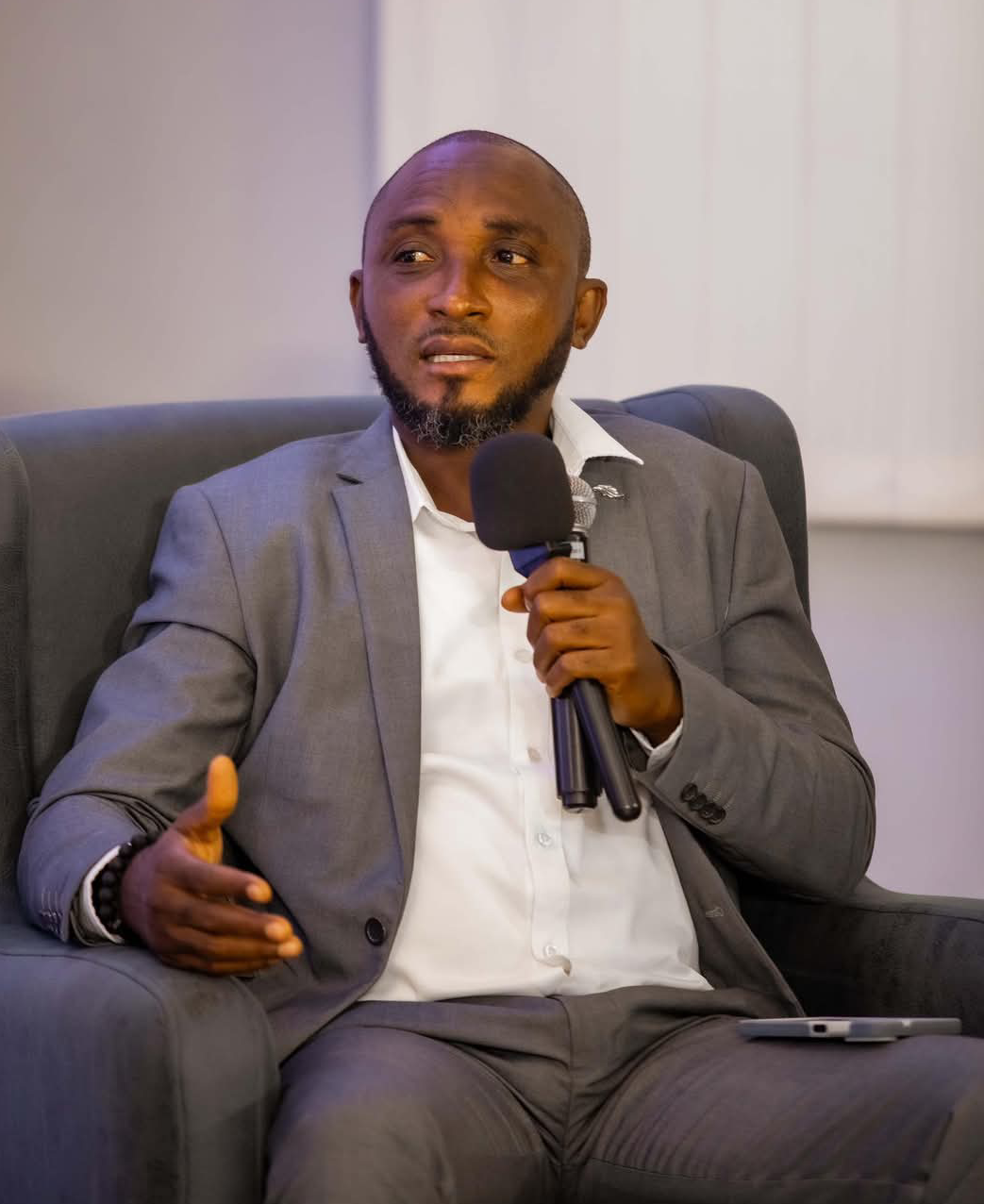
The call was made by the Oti Regional Sports Development Officer, Cogan Sakyi, during the Sports Business Series (SBS) seminar held on Friday, July 10, at the Conference Room of the University of Ghana Stadium in Legon.
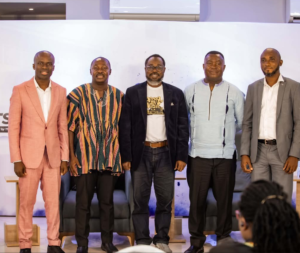
The seminar, organised as part of activities for the All Star Festival 2026, brought together sports administrators, marketing experts, academics and business leaders to discuss how sports can become a powerful tool for revenue generation for local clubs and the government.
The fifth edition of the All Star Festival will climax on Saturday, July 11, at the University of Ghana Stadium, with several Black Stars players who featured at the FIFA World Cup expected to participate in the annual off-season football celebration.
Investing World Cup Revenue
Speaking during a panel discussion, Sakyi stressed that Ghana must take advantage of the financial gains from the World Cup by investing in sports infrastructure rather than allowing the funds to be consumed by short-term expenditure.
“We’re back from the World Cup with a lot of money. This is the time we need to use the monies earned from the World Cup to develop our facilities,” he said.
According to him, quality infrastructure remains one of the biggest foundations for sustainable sports development, talent identification and the growth of local competitions.
He argued that improving stadiums, training centres and community sporting facilities would provide long-term benefits for athletes while making Ghana more attractive to host international competitions and other sporting events capable of generating additional revenue.
His remarks resonated with the central theme of the Sports Business Series, which explored innovative ways sports can contribute meaningfully to national economic development beyond match-day revenues.
Sports Beyond Politics
Delivering the opening address, Chief Executive Officer of Business Africa Consulting Group Limited, Dr Ernest Koranteng, challenged stakeholders to rethink the role of sports in national development.
He noted that sports should not only be viewed as a political tool but as a viable economic sector capable of creating jobs, attracting investment and stimulating business growth.
Dr Koranteng explained that strategic planning, private sector partnerships and deliberate commercialisation of sports would help unlock the enormous economic opportunities within the industry.
His remarks set the tone for discussions that focused on sports marketing, branding, fan engagement and infrastructure investment as essential pillars for building a sustainable sports economy.
Also contributing to the discussion, Chief Consultant at Brand Cipher, Mr Mawuko Afadzinu, shared a personal story to illustrate the emotional bond supporters have with their clubs. “I was so hooked onto Accra Hearts of Oak that I had to take my lecture notes to the Accra Sports Stadium just to watch them play even though I had an exam the next day,” he recalled.
His experience highlighted the passion that exists among Ghanaian football fans and the enormous commercial opportunities available to clubs that successfully harness such loyalty through effective branding and fan-centred initiatives.
Building Stronger Connections with Fans
Professor Kobby Mensah also urged Ghanaian football clubs to embrace digital platforms as a means of generating revenue while strengthening relationships with supporters. “Teams can develop their own podcast sessions to keep their fan base updated even after the season,” he suggested.
He explained that digital content offers clubs the opportunity to maintain engagement throughout the year, attract sponsorship, create advertising opportunities and build stronger brand identities beyond activities on the pitch.
The discussions collectively underscored the need for Ghanaian clubs to diversify their income streams through innovation, strategic communication and technology rather than relying solely on gate proceeds and player transfers.
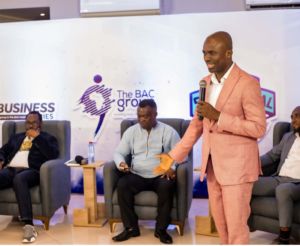
The Sports Business Series forms an important component of the All Star Festival, an annual initiative that combines football, business and community engagement to promote the commercial potential of sports in Ghana.
This year’s festival has attracted significant attention following the participation of several Black Stars players who recently represented Ghana at the FIFA World Cup, with many confirming their presence at Saturday’s showcase in Legon.
As anticipation builds for the climax of the festival, the consensus from speakers at the Sports Business Series was clear: Ghana possesses the passion, talent and global exposure to build a thriving sports economy, but only if investments are channelled into modern facilities, innovative fan engagement and sustainable business models that will benefit clubs, athletes and the nation for years to come.