
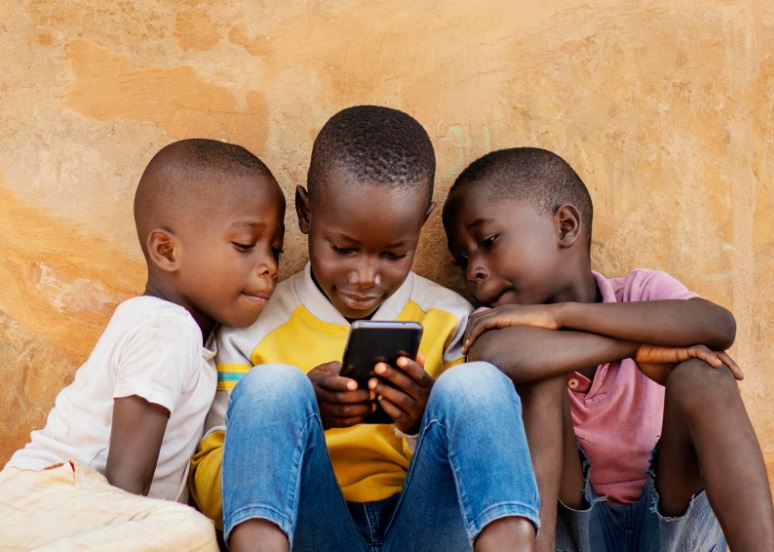
It is this shift that a new initiative, Fit Schools Ghana, has been built to address. Developed as a school-based functional fitness programme designed to work alongside not replace formal Physical Education, Fit Schools Ghana is preparing to bring structured, inclusive, and enjoyable movement back into the daily lives of schoolchildren.
The Pattern Emerging
- Too much screen time
- Less daily movement
- Poor posture habits
- Low energy levels
- Rising long-term health risks
The Alternative on Offer
- An active body
- Healthy lifelong habits
- Sharper focus in class
- A stronger, more resilient mind
- A brighter, healthier future
Why Physical Activity Matters More Than We Admit
The importance of regular physical activity in childhood extends far beyond fitness or sport performance. Movement is one of the most powerful and most overlooked tools available for protecting a child’s long-term health.
Regular activity strengthens the cardiovascular system, builds healthy bone density, supports muscular development, and helps regulate a healthy body weight during the years when lifelong habits are formed.
The benefits, however, are not only physical. A growing body of research links regular physical activity in children to improved concentration, better classroom performance, and stronger emotional regulation. Active children tend to sleep better, manage stress more effectively, and display greater resilience when faced with challenges.
In this sense, movement is not separate from learning, it is one of its foundations.
Perhaps most significantly, physical activity plays a preventive role against a rising tide of lifestyle-related illness. Conditions once associated almost exclusively with adulthood, including obesity, type 2 diabetes, and early markers of cardiovascular disease are appearing in children at increasing rates worldwide, driven in large part by sedentary routines and reduced daily movement.
Establishing active habits early is one of the most effective, low-cost interventions available to reverse this trajectory before it takes hold.
A child who learns to move with joy today is a child far less likely to face preventable illness tomorrow.”
The Role Parents Must Play
No school programme, however well designed, can succeed in isolation. Parents remain the single most influential presence in a child’s daily habits, and their involvement is essential if active living is to take root beyond the school gate.
This does not require elaborate intervention. Encouraging outdoor play, limiting recreational screen time, modelling active behaviour, and treating movement as a normal, valued part of family life all send a powerful message to a child about what a healthy routine looks like.
When parents visibly prioritise activity walking instead of driving short distances, playing with their children in the yard, celebrating participation in sport as much as academic achievement, children absorb those values as their own.
What Parents Can Do, Starting Today
- Set reasonable daily limits on screen and tablet use
- Encourage active play, walking, and outdoor time after school
- Support and attend school sport and fitness activities
- Model an active lifestyle within the home
- Treat physical wellbeing as seriously as academic performance
Why Schools Must Bring Physical Education Back
Equally critical is the role of schools themselves. In many institutions across the country, Physical Education has quietly slipped down the list of curriculum priorities, often crowded out by academic demands or limited by a lack of facilities, trained instructors, and structured programming. The result is a generation of children receiving less structured movement during the school day than previous generations took for granted.
Reintroducing and properly resourcing Physical Education is not a peripheral concern; it is a curriculum priority with direct consequences for public health.
Schools sit at the centre of a child’s daily routine, making them uniquely positioned to deliver consistent, inclusive physical activity to every child, regardless of background or access to private facilities.
A well-structured PE curriculum, complemented by programmes, offers a practical, scalable route to reversing declining activity levels at a national scale.
This is precisely what physical Education has been designed to fill, bringing fun, structured, and inclusive functional fitness activities into schools to help build the stronger bodies, stronger minds, and stronger futures that Ghana’s children deserve.