
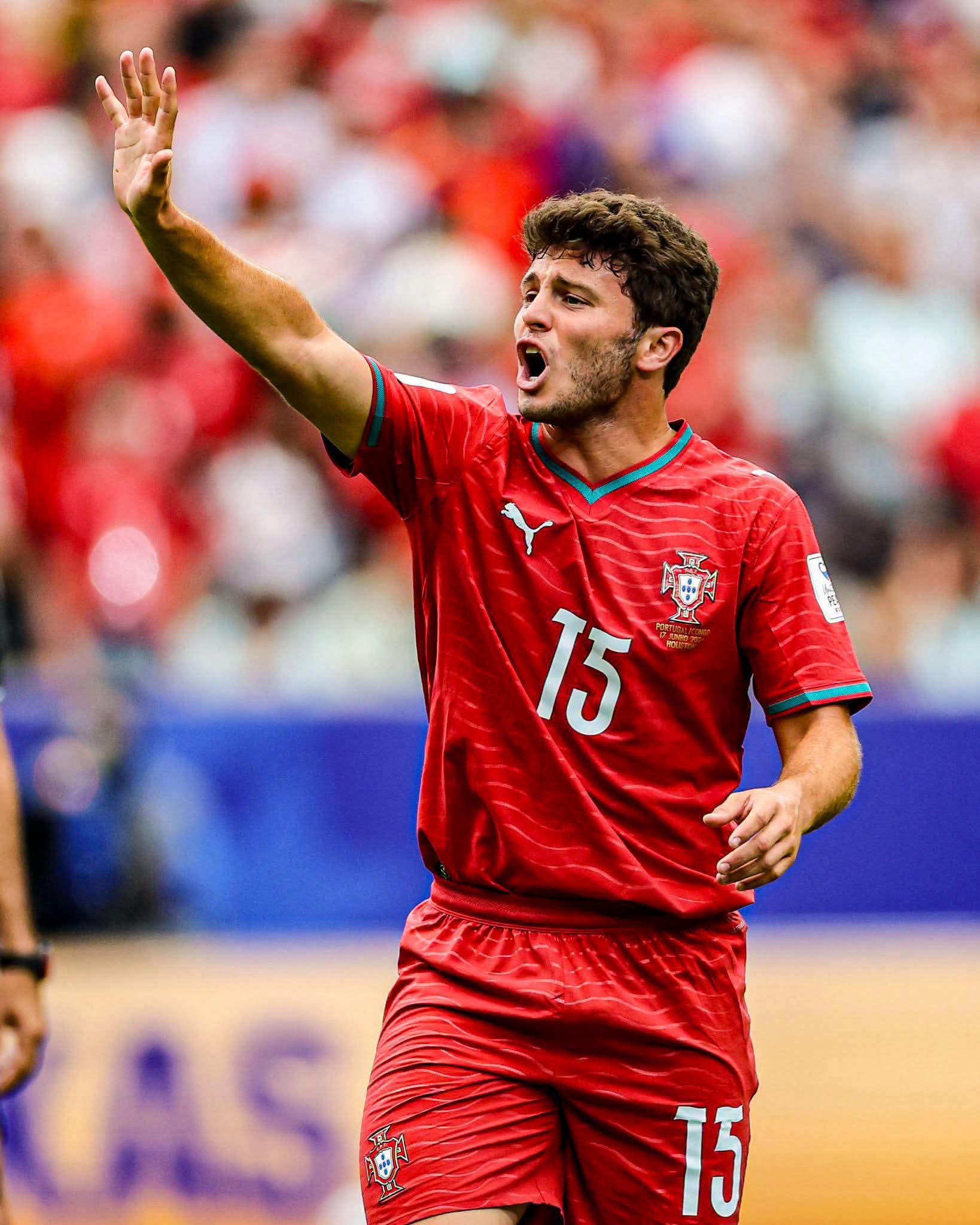
Portugal’s opening match at the 2026 FIFA World Cup has sparked controversy beyond the result.
The team drew 1-1 with World Cup debutants DR Congo in Houston, but the aftermath has been dominated by online criticism aimed at midfielder João Neves, his partner, and teammate Bruno Fernandes. The backlash followed comments Neves made about captain Cristiano Ronaldo, which some Ronaldo supporters interpreted negatively.
Neves gave Portugal an early lead with a header in the sixth minute, but Yoane Wissa equalised for DR Congo just before halftime. Despite controlling much of the game, Portugal could not find a winner and were held to a draw by the tournament newcomers.
After the match, journalists asked Neves about Ronaldo’s performance. Ronaldo, playing in a record-equalling sixth World Cup, had a quiet game. Neves responded by praising his captain while stressing that the team’s performance was a collective responsibility.
We know what Cristiano has brought to our national team and to football. But right now, he is like the rest of us. He is simply another player who is here to help us, just like everyone else. He played very well, and the whole team delivered an excellent performance.”
Following the interview, some of Cristiano Ronaldo’s fans misunderstood João Neves’ comments and accused him of disrespecting the Portugal captain. As a result, Neves received thousands of negative comments on social media.

The backlash also affected his girlfriend, actress Madalena Aragão, who was forced to disable comments on her Instagram account after receiving abusive messages, despite having no involvement in the controversy.
Bruno Fernandes also became a target after publicly supporting Neves. Some fans accused him of being jealous of Ronaldo and even claimed he intentionally avoided passing to him during the match, although there is no evidence to support those allegations.
The controversy has reportedly created tension within the Portugal camp at a crucial stage of the tournament. After their opening draw, the team now faces increased pressure to secure victories in their remaining group matches and avoid further distractions off the pitch.