
A newly expanded U.S. visa policy is raising concerns ahead of this summer’s FIFA World Cup, as fans from several participating country’s may be required to deposit up to $15,000 to secure entry into the country.
The measure stems from the “Visa Bond Pilot Program,” introduced under U.S. President Donald Trump, which mandates that certain travelers applying for B-1 (business) or B-2 (tourist) visas provide a refundable bond.
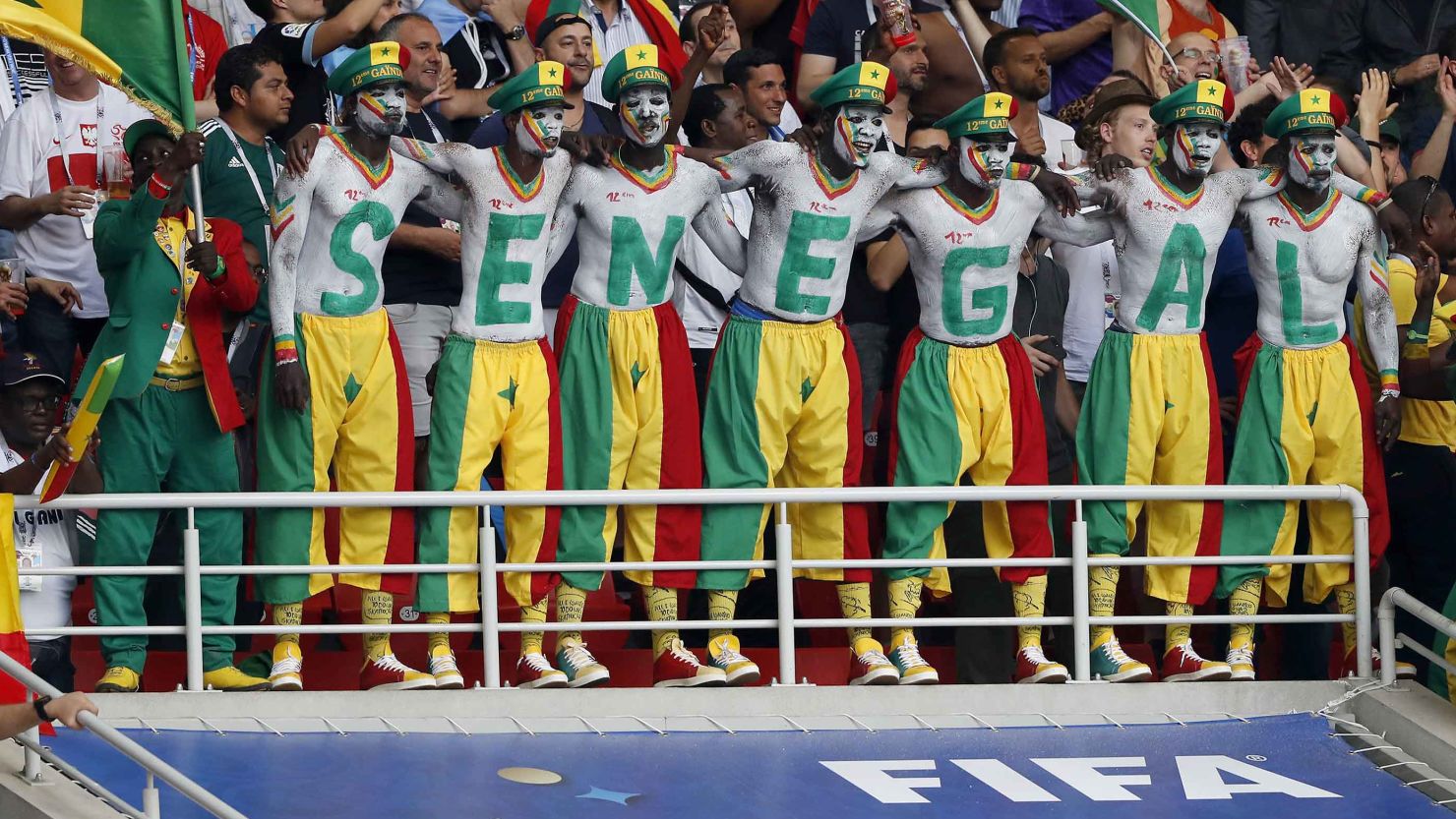
The program currently affects nationals from 5 countries, including five World Cup participants: Algeria, Cape Verde, Senegal, Tunisia, and Ivory Coast.
Under the policy, applicants must demonstrate eligibility for entry and compliance with visa conditions. While the bond is refundable upon timely departure from the United States, the upfront financial requirement ranging from $5,000 to $15,000 per individual poses a barrier, particularly for fans planning to attend the tournament.
The situation is further complicated by the absence of clear exemptions for athletes. Despite the importance of the tournament, there is no explicit provision within the policy that shields players, coaches, or officials from the bond requirement. As a result, even members of national teams who do not already hold valid U.S. visas could be subject to the same financial conditions.
World football’s governing body, FIFA, is actively engaging U.S. authorities in an effort to secure waivers for official delegations.
Behind the scenes, the organization is reportedly exploring contingency measures, including issuing formal invitation letters that could help facilitate exemptions for players, technical staff, and federation officials. However, these potential concessions may not extend to fans or even players’ families.
The policy has sparked unease among affected football federations, many of which raised the issue during recent pre-tournament workshops. With fewer than three months remaining before kickoff, uncertainty persists over whether players and officials will face additional administrative and financial hurdles.
A U.S. State Department spokesperson emphasized that visa decisions are made on a case-by-case basis, noting that consular officers retain discretion to waive the bond requirement if it serves a national or humanitarian interest. Nonetheless, there is currently no formal application process for such waivers.
Beyond financial implications, the policy also presents logistical challenges. Many participating teams are scheduled to play matches across multiple host countries namely the United States, Canada, and Mexico requiring flexible travel arrangements.
However, the increasing issuance of single-entry visas, rather than multiple-entry permits, adds another layer of complexity for players, officials, and supporters alike.
For fans, the burden is particularly acute. In addition to already high costs associated with travel, accommodation, and match tickets, the bond requirement could deter attendance altogether. Families traveling together would be required to pay separate bonds for each member, significantly increasing overall expenses.
Gianni Infantino has repeatedly described the upcoming tournament as the “most inclusive” in FIFA’s history. Yet, critics argue that the visa bond policy risks undermining that vision by limiting access for supporters from affected nations.