Qualified Again, But Is Ghana Ready for the 2026 FIFA World Cup?
Ghana’s World Cup story is split cleanly into two halves, and that contrast is where the truth lives.
The first half was one that inspired the nation, exuded confidence and belief. A Round of 16 finish at the 2006 FIFA World Cup in Germany announced Ghana to the world. Four years later in South Africa, the Black Stars went further, reaching the quarter-finals at the 2010 FIFA World Cup and standing one kick away from history. That team had identity, clarity, and conviction.
The second chapter has been far less inspiring.
Group stage exits at the 2014 FIFA World Cup and 2022 FIFA World Cup, both ending bottom of the group, point to a team that has lost its edge at the highest level. Not unlucky, not robbed but just not good enough over three games.
Now comes a fifth appearance later in June, and here is the uncomfortable reality: Ghana have qualified again, but are we Ready for the 2026 FIFA World Cup?
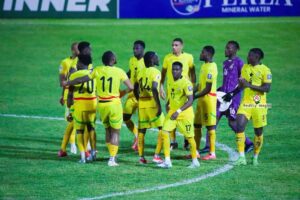
Ghana are not arriving as dark horses in the United Stated. They are arriving as a team trying to prove they still belong. The worrying part is that we never got a proper read on this team before the World Cup. Failing to qualify for the 2025 Africa Cup of Nations, the first absence since 2004, stripped Ghana of a crucial testing ground. That was supposed to be the environment where strengths are exposed, weaknesses punished, and combinations refined.
Instead, Ghana go into the biggest tournament in football still asking basic questions about themselves whether friendly matches alone will give the team the needed test that a competitive tournament like the AFCON would have given.
And that leads directly to the man in charge: Otto Addo. This is where sentiment needs to be separated from performance.

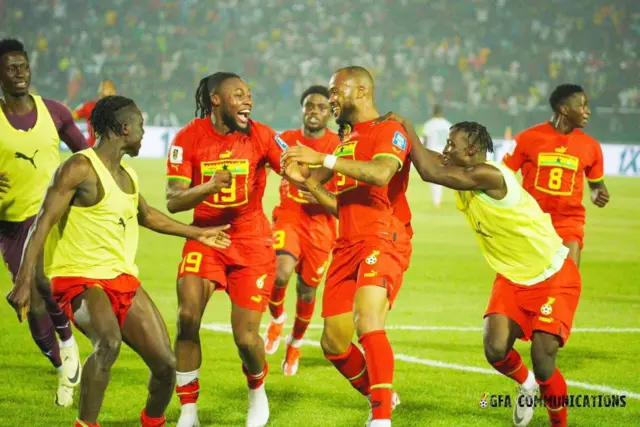
On one hand, the facts are clear. He has now qualified Ghana for two World Cups and that cannot be accidental. You do not navigate African qualifiers twice without doing something right. He also steadied the team enough to secure qualification after that crucial win over Comoros in Accra last October, at a time when pressure was peaking.
On the other hand, the doubts are not coming from nowhere.
He was in charge during the group stage exit in Qatar. He oversaw the failure to qualify for AFCON 2025 and most of the fan base are not convinced, and it is not just noise from the stands. Even Kofi Adams, Ghana’s Sports minister publicly admitted he does not believe Otto Addo is the right man for the job.

That is a serious credibility gap. So here is the real question: is Otto Addo a qualification coach, or a tournament coach?
Because those are two different jobs. Qualifiers reward resilience and moments. Tournaments punish any lack of structure. If Ghana go into 2026 without a clearly defined system, they will be exposed again, regardless of individual talent.
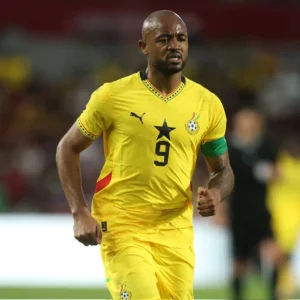
And talent is not the issue here. Look at the squad profile. You have leadership and experience in Jordan Ayew, Thomas Partey, Inaki Williams, Lawrence Ati Zigi, and Alexander Djiku. Then there is a younger core—Abdul Fatawu Issahaku, Antoine Semenyo, Kamaldeen Sulemana, Caleb Yirenkyi, and others—who bring energy, unpredictability, and serious attacking threat.
That mix should be an advantage but only if it is used properly.
Right now, Ghana’s biggest tactical risk is misprofiling players, forcing them into roles that blunt their strengths instead of amplifying them. If that continues, the team will look disjointed again. If selection is sharp and roles are clear, this same group can compete with anyone on their day and they will need to.
Because Group L is not forgiving. Facing Panama is one thing. Facing England and Croatia is another level entirely. That is a group that will punish hesitation, poor game management, and tactical confusion. There will be no easy matches, no room for slow starts, no time to “grow into the tournament.”
You either arrive ready, or you go home early.
Ghana’s path to success in the 2026 edition of the FIFA World Cup comes down to three non-negotiables: Clarity of identity, ruthless selection based on form and fitness and a coach who can translate talent into a functioning system under pressure.
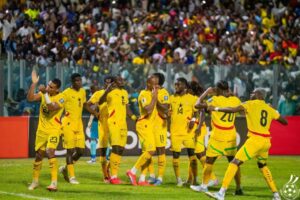
If those three are in place, Ghana have enough to break out of the group and reset the narrative around the Black Stars. If they are not, then this fifth appearance risks becoming a continuation of decline disguised as participation.
Qualification has already been secured, now comes the part that actually matters: proving it means something.
As part of efforts to test the team’s strength and depth, several high-profile friendly games have been confirmed by The Ghana Football Association. Ghana will play Austria, Germany, Mexico, and Wales in friendlies before the Mundial starts in June.