
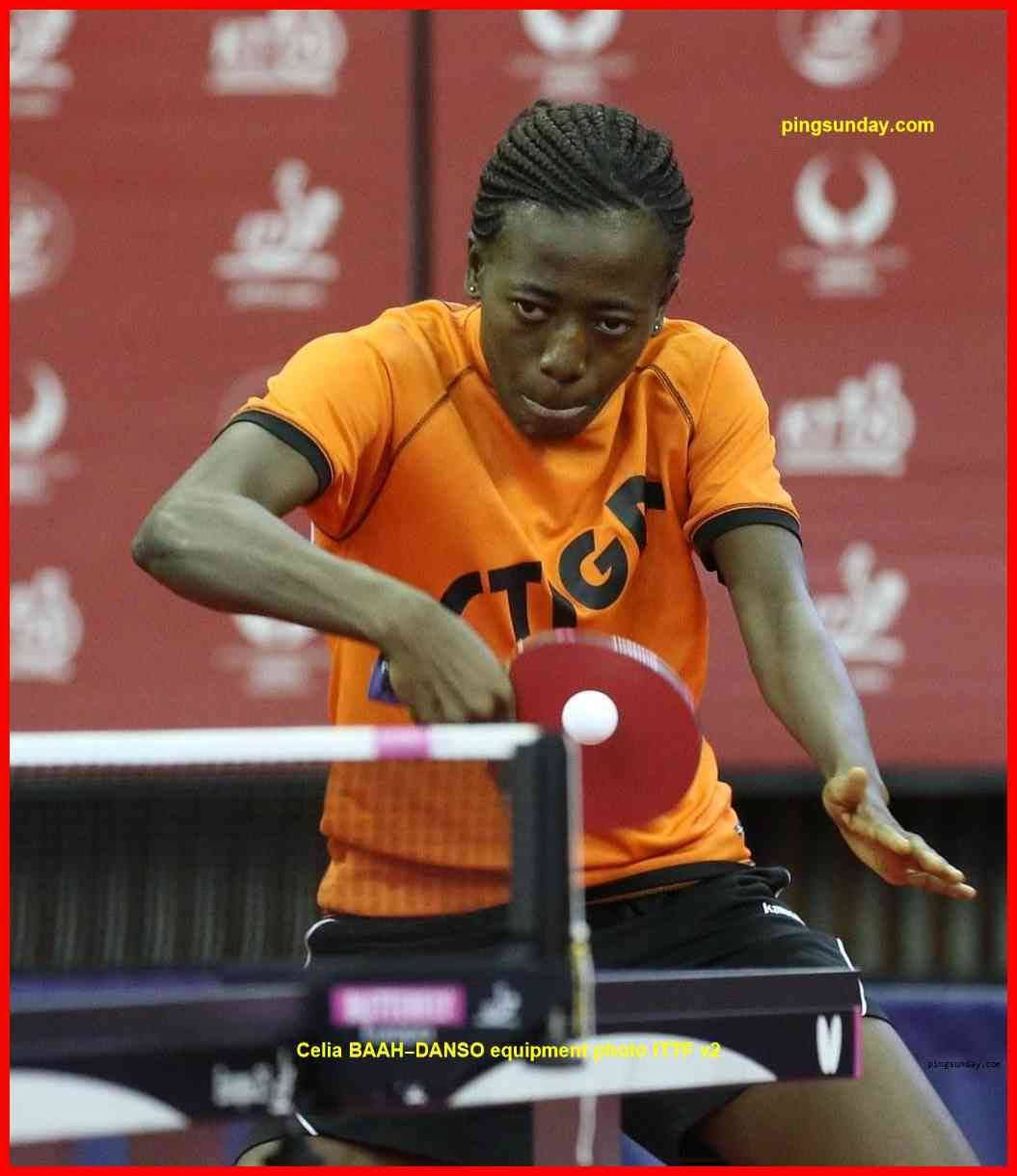
Ghana has secured an important position in world Table Tennis after Celia Baah-Danso was elected to the International Table Tennis Federation (ITTF) Athletes’ Commission during the 2026 World Team Table Tennis Championships Finals in London.
The development marks a decisive moment for Ghana sport, not merely as a personal triumph for Baah-Danso, but as a statement of the country’s growing influence within the structures that govern the sport internationally. Her election places a Ghanaian athlete at the very heart of discussions surrounding athlete welfare, representation, and policy-making at the highest level of world table tennis.

In remarks shared following her election, Baah-Danso spoke directly to her mandate and the responsibilities she intends to carry
My primary goal is to represent the voice of athletes. Furthermore, I will improve communication between athletes and officials, support and promote fairness in the table tennis fraternity.”
Beyond those immediate priorities, Baah-Danso has pledged to lead her tenure with integrity, to actively listen to athlete concerns across all regions, and to work in a collaborative spirit toward building a global environment that places players at the centre of decision-making.
Her words reflect a clear understanding that a commission member’s role extends well beyond the boundaries of any single nation.

The importance of this election extends beyond Ghana’s borders. For African table tennis as a whole, Baah-Danso’s presence on the ITTF Athletes’ Commission represents a meaningful advancement in the continent’s participation in International Sports Governance. African athletes have historically faced structural challenges in accessing decision-making platforms at the global level, and her election contributes to closing that gap in a sport that is rapidly growing across the continent.
Her tenure is widely expected to provide a dedicated platform for the advocacy of athlete-centred policies including improvements to competition conditions, transparent communication frameworks, and equitable representation all of which reflect the concerns most frequently raised by players operating in emerging table tennis markets.